The administration of Donald Trump has unveiled a new wave of Japanese-backed investments in the United States, announcing three large-scale energy and manufacturing projects worth a combined $36 billion.
The projects mark the first concrete outcomes of Japan’s broader $550 billion investment commitment to the US, which forms part of a trade agreement that reduced American tariffs on Japanese goods to 15 percent. Trump disclosed the development in a social media post, describing the projects as a direct result of tariff negotiations.
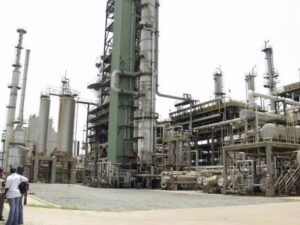
According to US officials, the largest of the three projects is a $33 billion natural gas-fired power plant planned for Portsmouth, Ohio. The facility is expected to generate 9.2 gigawatts of electricity annually, making it the biggest gas-powered plant ever proposed in the country.
It will be operated by SB Energy, an energy subsidiary linked to SoftBank Group, and is designed to support rising power demand from data centers tied to artificial intelligence development.
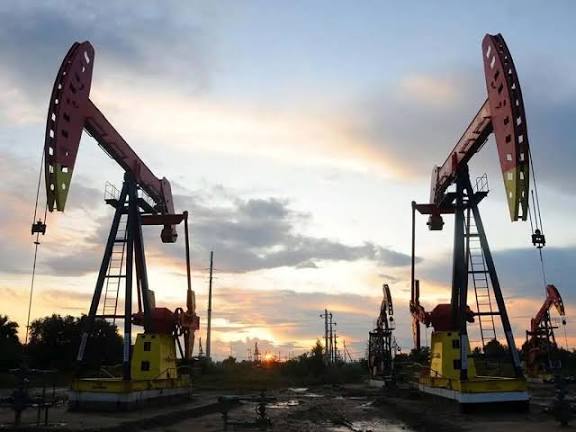
In Texas, Japan will back the $2.1 billion Texas GulfLink deepwater crude oil export terminal off the state’s coast.
US Commerce Secretary Howard Lutnick said the project could enable between $20 billion and $30 billion in annual crude exports, strengthening America’s role in global energy supply chains. The terminal is being developed by Sentinel Midstream, which confirmed its participation in the initiative.
While Trump indicated that additional Texas investments could include liquefied natural gas infrastructure, US government briefings released alongside the announcement did not specifically reference LNG projects.
The third investment will be located in Georgia, where a $600 million high-pressure synthetic diamond manufacturing plant is planned. The facility will be operated by Element Six, a subsidiary of De Beers Group, and is intended to supply all of the United States’ demand for synthetic diamond grit, a material considered critical for advanced manufacturing and semiconductor production. At present, much of that supply is imported from China.
Officials did not clarify how much of the funding for each project would come directly from Japanese entities or the financial terms attached. However, under a previous US–Japan framework, profits from similar ventures were to be shared equally until Japan recovered its initial investment, after which the US would receive the majority share.
The announcements follow recent meetings between Lutnick and Japan’s economic and trade minister Ryosei Akazawa. Speaking last week, Akazawa noted that several details were still under discussion before final agreements could be concluded.
Trump, meanwhile, emphasized the role of trade pressure in securing the deals, arguing that tariffs were a key factor in bringing the investments to the US.