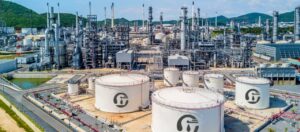
Aliko Dangote has announced that Nigerians will soon have the opportunity to buy shares directly in the Dangote Petroleum Refinery, with the offer expected to open within the next four to five months.
Dangote made the disclosure while speaking to journalists during an inspection of the refinery in Lagos by the Group Chief Executive Officer of the Nigerian National Petroleum Company (NNPC), Bayo Ojulari, alongside members of the company’s executive management.
He explained that NNPC currently holds a 7.25 percent stake in the refinery on behalf of Nigerians, adding that individual citizens will soon be able to participate directly as shareholders once the offer is launched.
Dangote also said prospective shareholders would have the option of receiving dividends either in naira or in US dollars, noting that the refinery earns revenue in foreign currency.
Describing the visit by NNPC’s leadership as significant, Dangote said the national oil company is not just a visitor but a shareholder that showed confidence in the project at a time when its success was uncertain. He added that cooperation with the current NNPC management has strengthened and could lead to greater collaboration in the energy sector.
On future plans, Dangote revealed that discussions are ongoing on possible partnerships with NNPC in upstream oil operations, while also expanding cooperation within the refinery complex.
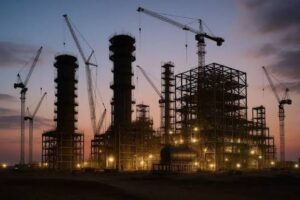
He further highlighted that the refinery is being developed as a full industrial hub, with plans to produce linear alkyl benzene, a key raw material used in detergent manufacturing. According to him, the facility will have a production capacity of 400,000 tonnes annually, enough to meet demand across Africa.
Dangote noted that Africa currently has limited capacity for the product, with only small-scale production in Algeria and Egypt, adding that full delivery of the new production line is expected within the next 30 months.
Earlier this month, the Dangote Refinery announced plans to commence the local production of surfactants for detergent manufacturing, a move expected to reduce imports and boost Nigeria’s industrial output.