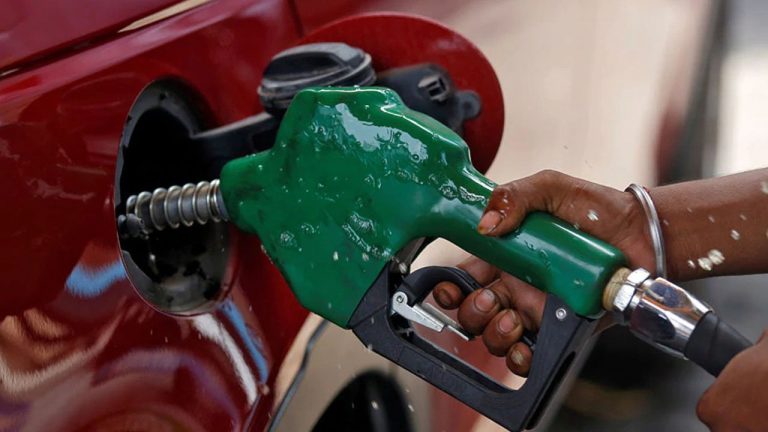
Rising global oil prices driven by tensions in the Middle East have pushed petrol costs higher in Nigeria, prompting widespread calls for the Federal Government to introduce measures to ease the burden on citizens and businesses.
Industry operators, economists, labour unions and private sector leaders say the government should deploy the additional revenue expected from higher crude oil prices to support households and stabilise the economy. They warned that the continued increase in fuel prices could deepen economic hardship and push inflation higher.
Petrol is currently selling between about N1,200 and N1,300 per litre in several parts of the country. Industry projections suggest the price could rise above N1,500 per litre and may even approach N2,000 if the Middle East conflict persists.
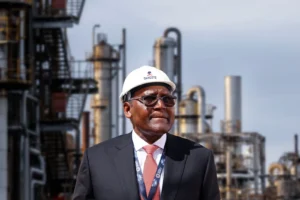
The increase in fuel prices follows a sharp rise in global crude oil prices. Crude, which traded around $68 per barrel before the crisis escalated, climbed to about $103 per barrel over the weekend. Local refining costs have also been affected, with the Dangote refinery recently adjusting its gantry price to about N1,175 per litre, up from less than N800 before the escalation of the conflict.
The Independent Petroleum Marketers Association of Nigeria urged the Federal Government to reduce several taxes and charges imposed on petroleum products in order to bring down pump prices. The association noted that levies from agencies such as the Nigerian Maritime Administration and Safety Agency, the Nigerian Ports Authority and the Nigerian Midstream and Downstream Petroleum Regulatory Authority contribute significantly to the final cost of fuel.
The marketers also called on the government to repair the country’s petroleum pipelines, explaining that transporting fuel through pipelines is cheaper than moving it by road tankers. They further suggested the reintroduction of petroleum equalisation to ensure that fuel sells at similar prices across the country, particularly in regions far from major supply centres.
They also urged the government to expand the use of compressed natural gas vehicles and kits to reduce reliance on petrol in the transportation sector.
Leaders of the organised private sector advised the government to avoid returning to fuel subsidies and instead invest in long-term solutions. They recommended that the extra revenue from higher crude oil prices should be channelled into strengthening domestic refining capacity, supporting modular refineries and promoting alternative energy sources.
They also called for incentives to encourage the conversion of vehicles from petrol to compressed natural gas, which could help reduce fuel demand and transportation costs. Improving electricity supply was also highlighted as a key solution, as many households and businesses currently depend on petrol and diesel generators due to unreliable power supply.
The Nigeria Labour Congress warned that workers are already struggling to cope with rising fuel prices and called for immediate government intervention.
The union urged authorities to introduce relief measures such as wage awards, cost-of-living allowances, expanded social support programmes and tax relief for low-income earners.
It also renewed calls for the rehabilitation and full operation of Nigeria’s state-owned refineries in Port Harcourt, Warri and Kaduna, arguing that stronger domestic refining capacity could reduce exposure to global price shocks.
Economic analysts say Nigeria may benefit from higher crude oil earnings but the same development is pushing up fuel prices for consumers. Crude oil is currently trading between $95 and $105 per barrel, far above Nigeria’s budget benchmark of about $65. While this improves government revenue and foreign exchange inflows, it also raises the cost of refined petroleum products.
Analysts warn that rising petrol and diesel prices could increase transportation, logistics and production costs across the economy, potentially pushing inflation higher and weakening the purchasing power of households.
Businesses are also facing increased pressure as many rely on petrol and diesel generators to power operations.
Experts say the rising cost of energy could reduce profit margins and threaten the survival of many small and medium-sized enterprises unless supportive policies are introduced.
The Nigerian Economic Summit Group cautioned against reintroducing petrol subsidies despite growing pressure to cushion rising fuel prices. The group said returning to subsidy programmes could reverse recent economic reforms and place additional pressure on public finances.
However, it noted that Nigeria may benefit from stronger foreign exchange inflows due to higher crude oil prices, which could help improve the country’s external reserves. The organisation warned that the current oil price shock could still raise inflation over the coming months, particularly through higher transportation and food costs.
Despite these challenges, analysts say the development of domestic refining capacity in Nigeria may help reduce the country’s dependence on imported fuel and improve resilience in the energy sector.