The government of Ecuador has been accused of failing to halt oil extraction in a protected part of Yasuní National Park despite a ruling ordering the suspension of the project.
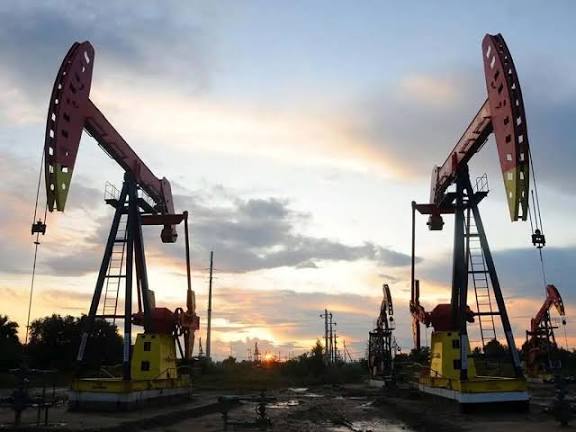
According to a report released by Human Rights Watch, authorities have continued operations in Block 43, an oil field located inside the Amazon park, even after a court directive meant to protect Indigenous groups living in isolation nearby.
The order came from the Inter-American Court of Human Rights, which ruled that oil activities around the area pose serious risks to the Tagaeri and Taromenane peoples. These Indigenous groups live in voluntary isolation and rely on the surrounding forest for survival.
The court instructed the government to take urgent measures, including suspending oil operations in Block 43 and strengthening protections for the communities. However, the rights organization said the government has made little progress toward implementing those measures.
Human Rights Watch said production from the oil block continued through 2025. Data from state oil company Petroecuador shows that the site produced an average of about 1.2 million barrels of crude oil each month last year, except for a brief interruption caused by pipeline damage from a landslide.
The drilling area lies close to territory used by the Tagaeri and Taromenane, who are part of the wider Waorani Indigenous group. Experts say expanding industrial activities increases the risk of contact with outsiders, which could expose the isolated groups to diseases and threaten their survival.
The dispute over the oil field intensified after voters in Ecuador approved a referendum in 2023 calling for the closure of Block 43. The country’s constitutional court later ruled that the government must gradually shut down the operations and restore the affected environment.
Despite those decisions, environmental defenders say oil production has continued.
Residents from nearby Waorani communities say the operations are affecting their environment and health. Some residents claim rivers used for drinking and bathing have become polluted, while fish populations have declined.
Community members also report skin irritation after bathing in river water and say noise and light from oil facilities have driven wildlife away from traditional hunting areas.
Records from Petroecuador indicate that several oil-related incidents have occurred in Block 43 in recent years. A diesel spill reported in 2024 reportedly reached the Salado River, affecting a nearby Kichwa community that relies on fishing.
Environmental monitoring reports have also identified polluted water conditions in parts of the oil block, though critics say the government has not made recent monitoring data publicly available.
Human Rights Watch also noted that authorities have yet to establish a technical commission ordered by the court to monitor the movement of isolated Indigenous groups and determine whether protected zones in the park should be expanded.
Yasuní National Park is widely regarded as one of the most biodiverse places in the world.
Established in 1979 and later recognized as a biosphere reserve by UNESCO, the park is home to several Indigenous communities who depend on its forests and rivers for their livelihoods.
Human Rights Watch urged Ecuadorian authorities to suspend oil operations in Block 43 and work with Indigenous communities to comply with the court’s ruling and the results of the national referendum.