Nigeria is receiving fresh shipments of petrol and diesel this week as consumers grapple with rising fuel prices across the country.
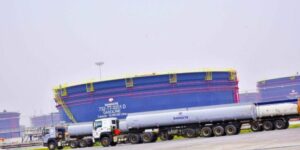
Data from the Nigerian Ports Authority shows that several vessels carrying about 129,000 metric tonnes of Premium Motor Spirit (petrol) and Automotive Gas Oil (diesel) are scheduled to berth at Lagos ports between March 14 and 17, 2026. Some deliveries have already been completed, while others are expected to arrive within the same period.
Among the shipments, multiple vessels have discharged or are set to discharge fuel at terminals in Lagos and Calabar. These arrivals are expected to support supply, especially as demand remains high nationwide.
The development comes at a time when fuel prices have surged significantly. Retail petrol prices have climbed above ₦1,200 per litre in many areas following a price adjustment by the Dangote Petroleum Refinery. The increase has led to higher transportation costs and a general rise in the prices of goods and services.
Industry stakeholders say the imported products could help improve availability, even though they may not immediately reduce pump prices. The Independent Petroleum Marketers Association of Nigeria stated that marketers are willing to source fuel from any available supplier to keep the market supplied and encourage competition.
However, the Nigerian Midstream and Downstream Petroleum Regulatory Authority maintains that it has not issued any new petrol import licences in 2026. According to the regulator, the current shipments are likely tied to permits granted in the previous year, noting that fuel importation involves long transit timelines.
The agency explained that local supply in February was largely supported by existing stock carried over from earlier months, along with production from domestic refineries. Output from local refining, including contributions from Dangote refinery, averaged over 36 million litres per day, while national consumption stood at around 56 million litres daily.
Despite the gap between supply and demand, officials insist there has been no major shortage, attributing stability to stock management and delayed exports from late 2025 that left additional volumes available for domestic use.
Authorities also warned against a return to heavy reliance on imported fuel, emphasizing ongoing efforts to strengthen local refining capacity. They argue that increasing domestic production remains key to achieving long-term price stability.
Meanwhile, economic analysts and labour groups have urged the Federal Government to consider measures that could ease the burden on citizens, as global oil price pressures linked to geopolitical tensions continue to influence local fuel costs.