Missile attacks linked to Iran have inflicted heavy damage on facilities at Ras Laffan Industrial City, Qatar’s main gas processing and export hub, raising fresh concerns about global energy supply disruptions.
State-owned QatarEnergy confirmed that multiple parts of the complex were hit, sparking fires and causing extensive destruction across key installations. The site, which is the world’s largest liquefied natural gas (LNG) facility, typically accounts for about 20% of global LNG exports.
Production and shipments from the facility had already been halted earlier in the month due to escalating tensions in the region. The latest strikes are now expected to delay any restart, with analysts warning that repairs could take months or even longer depending on the extent of the damage.
The disruption is tightening global LNG supply at a time when markets were expecting improved availability in 2026. Instead, gas prices in Europe and Asia have surged sharply since the conflict began, and traders expect further increases if the outage persists.
Energy analyst Saul Kavonic said the impact could outlast the conflict itself, noting that rebuilding damaged infrastructure and restoring full operations would be a complex and time-consuming process.
Countries heavily dependent on Qatari gas, including India, Bangladesh, and Pakistan, are likely to feel the pressure most, with potential shortages and rising import costs. The ripple effects could also lead to higher electricity bills and slower industrial activity across several regions.
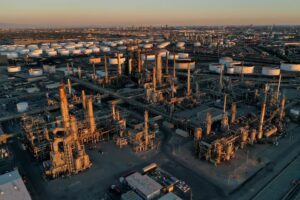
In addition to LNG processing plants, the Ras Laffan complex houses storage facilities, refineries, and gas-to-liquids operations, some of which were also affected in the attacks.
Efforts to resume exports are further complicated by restricted tanker movement through the Strait of Hormuz, a critical shipping route that has been impacted by the ongoing conflict.