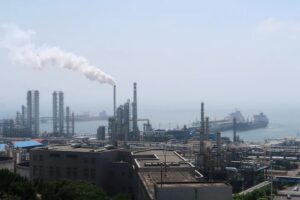
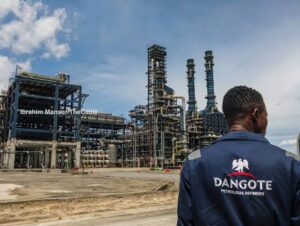
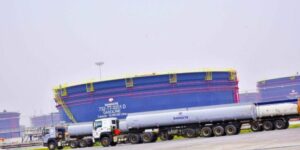
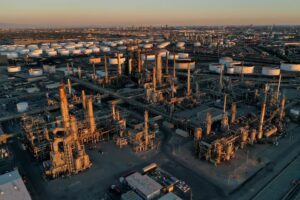
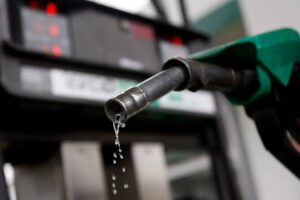
The Dangote Petroleum Refinery has increased its influence across Africa’s energy market after exporting 456,000 tonnes of refined petroleum products to five countries, as fuel shortages continue to affect parts of the continent.
The shipments, handled through international traders, were delivered to Côte d’Ivoire, Cameroon, Tanzania, Ghana, and Togo. This development follows the refinery’s achievement of its full processing capacity of 650,000 barrels per day earlier in 2026.
Industry sources say the exports highlight a growing shift in Africa’s fuel supply structure, with Nigeria emerging as a key refining hub. The volume shipped estimated at about 608 million litres shows the scale at which the facility is now operating and its ability to serve markets beyond Nigeria.
The refinery’s production of Euro 5 standard petrol and diesel has also contributed to rising demand, as several African countries move away from lower-quality fuel imports. Analysts note that improved fuel standards, combined with closer proximity, make the Dangote refinery an attractive option for regional buyers.
The increased export activity comes at a time when many African nations are struggling with supply disruptions and rising costs linked to global tensions, particularly in the Middle East. These challenges have forced countries to seek alternative sources of refined products within the continent.
Officials familiar with the refinery’s operations maintain that local supply will not be affected, stressing that domestic demand was considered in its production planning from the outset.
Beyond addressing immediate shortages, the exports are expected to strengthen trade ties between Nigeria and other African economies while reducing reliance on imports from Europe and the Middle East. Shorter delivery distances could also help lower transportation costs and improve supply stability.
Recent reports indicate that more countries, including South Africa, Kenya, and Ghana, have shown interest in sourcing fuel from the refinery as global supply chains remain under pressure.