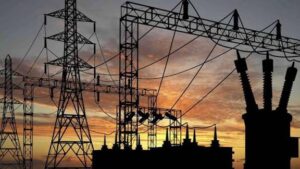
The Nigerian government has partnered with the United Nations Industrial Development Organisation (UNIDO) and China to launch a Small Hydropower Centre of Excellence in Abuja. The project is aimed at expanding renewable energy, improving electricity access in rural communities, and supporting agricultural and industrial growth.
Funded by the China International Development Cooperation Agency, the centre will be based at the University of Abuja. It will serve as a hub for technical training, policy guidance, and knowledge sharing for Nigeria and other West African countries. This is the first project of its kind in Nigeria and the sub-region.
Philbert Johnson, UNIDO’s Regional Director, said Nigeria has huge renewable energy resources, including hydropower, solar, wind, and biomass, but less than 5% of small hydropower potential has been developed. He added that the new centre will help overcome financial, technical, and policy challenges, while also promoting hybrid solutions that combine small hydropower with solar and wind energy.
“The centre will support knowledge transfer, technical training, and policy guidance, helping Nigeria and the West African region tap into untapped hydropower resources,” Johnson said.
Minister of Water Resources and Sanitation, Joseph Utsev, described the project as a key step toward boosting rural productivity and strengthening agricultural value chains. He said integrating small hydropower into farming and agro-industrial systems can create jobs, improve food security, and support local economies.
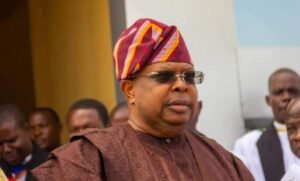
The Vice-Chancellor of the University of Abuja, Prof. Hakeem Fawehinmi, assured that the university would fully support the project to ensure its success. Chinese Ambassador to Nigeria, Yu Dunhai, highlighted China’s experience in using small hydropower to expand electricity access in rural areas and expressed confidence that the initiative would deliver similar benefits in Nigeria.
The new centre comes at a time when many rural communities in Nigeria still face limited access to reliable electricity. By building local expertise and promoting off-grid solutions, the initiative aims to drive sustainable energy development and help diversify Nigeria’s power sources beyond fossil fuels.