The United Kingdom is hosting a virtual meeting with officials from 36 countries to find ways to restore safe passage through the Strait of Hormuz, a key route for global oil and gas transport.
UK Foreign Secretary Yvette Cooper is chairing the session, which focuses on diplomatic and political steps to protect ships and crews and resume the steady movement of energy supplies. Prime Minister Keir Starmer said the goal is to rebuild cooperation to ensure freedom of navigation in the waterway.
The United States is not part of the talks. President Donald Trump has said countries that rely on oil passing through the strait should take the lead in securing it, while Washington offers support from the sidelines.
Before tensions rose between Israel and Iran in late February, about 20% of the world’s daily oil and liquefied natural gas shipments moved through the strait without restriction. Since the conflict began, tanker traffic has slowed significantly, with access largely influenced by Iranian authorities and shipments mostly heading to Asian markets.
Major Asian buyers such as China, India, and Pakistan have been negotiating directly with Tehran to allow their vessels safe passage. However, experts say this approach may not be sustainable long term.
In Europe and Asia, countries are forming alliances to push for broader action. France and Japan have agreed to coordinate efforts to help ease tensions and reopen the route.
The United Arab Emirates has urged the United Nations to consider steps, including possible enforcement measures, to guarantee safe navigation in and around the strait.
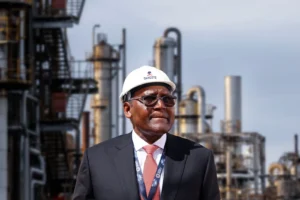
Meanwhile, Sultan Al Jaber, head of ADNOC, warned that continued disruption could harm the global economy, calling for urgent international action to protect the free flow of energy.
Oil markets have reacted strongly to the situation, with prices rising on fears that prolonged disruption in the Strait of Hormuz could tighten global energy supplies.