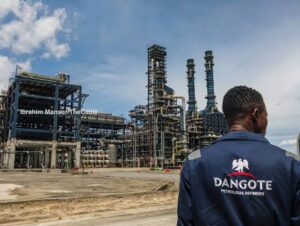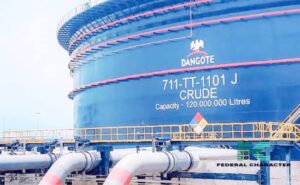
Dangote Petroleum Refinery has confirmed plans to import 13.62 million barrels of crude oil in May 2026. At the current price of $110 per barrel, the imported volume is valued at about $1.5 billion, or roughly N2.07 trillion.
The refinery says these imports are needed to meet its operational requirements, given the volume of crude it processes each month.
Industry experts note that importing crude at international prices may affect refining costs and fuel pricing. Dr. Billy Gillis-Harry, President of the Petroleum Products Retail Outlets Owners Association of Nigeria (PETROAN), warned that higher costs could push petrol prices up and increase transportation and food costs.
Mazi Colman Obasi, President of the Oil and Gas Service Providers Association of Nigeria (OGSPAN), explained that importing crude is not unusual for Dangote Refinery. He added that exporting refined products could generate foreign exchange, but it may not directly benefit the average Nigerian.
Jeremiah Olatide, CEO of Petroleumprice.ng, described the situation as “paradoxical,” pointing out that Nigeria, a major oil producer, relies on imports for its largest refinery. He emphasized the need for consistent domestic supply, improved upstream production, and better coordination with NNPC Limited.
Analysts also highlighted risks linked to imported crude, such as currency volatility, higher logistics costs, and exposure to global shipping disruptions. While imports help maintain supply, they could impact foreign reserves and the trade balance.
Despite past shortfalls in government crude supply, the Presidency maintains that the naira-for-crude initiative has helped stabilize supply and shield Nigeria from global energy shocks. Temitope Ajayi, Senior Special Assistant to the President on Media and Publicity, said the program has supported supply security and economic stability.
Ajayi also noted that Dangote Refinery recently reduced petrol prices by N75 per litre despite paying premiums on imported crude, illustrating the value of local refining capacity in cushioning Nigerians from global market volatility.