Petrol imports into Nigeria rose sharply in March 2026, even as local refining output continued to increase, according to data from the Nigerian Midstream and Downstream Petroleum Regulatory Authority.
Figures from the regulator showed that daily petrol imports climbed from about 3.0 million litres in February to 5.9 million litres in March, marking an increase of nearly 97 percent. The rise suggests continued reliance on imported fuel despite efforts to strengthen domestic refining capacity.
At the same time, local supply also recorded growth. Domestic petrol production increased from 30.5 million litres per day to 34.2 million litres per day during the period, supported largely by expanding output from local refineries, including the Dangote Petroleum Refinery.
Total petrol supply in the country rose slightly from 39.5 million litres per day to 40.1 million litres per day, showing a modest overall improvement in availability.
However, consumption dropped within the same period. Daily petrol usage fell from 56.9 million litres in February to 47.3 million litres in March. The decline was linked to higher pump prices, which reached as much as N1,275 per litre in some locations during the month.
Despite higher local output, import dependence remained significant, highlighting the ongoing transition in Nigeria’s downstream sector as domestic refineries scale up operations.
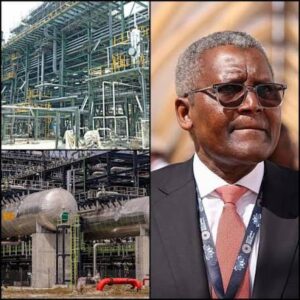
The Dangote refinery played a major role in supply during the month, producing about 48.2 million litres of petrol daily and supplying a large share of it to the local market. The facility continues to strengthen its position as a key supplier in the country’s fuel system.
Stock levels also tightened during the period. Petrol sufficiency dropped from 30.7 days to 21.2 days, raising concerns about potential supply pressure if imports or production do not rise further.
Other petroleum products recorded mixed performance. Diesel output fell sharply, while cooking gas supply remained steady, reflecting uneven trends across the energy sector.
The development comes amid ongoing policy debates on fuel importation and market structure. The World Bank has previously recommended deeper competition in Nigeria’s downstream sector, including the continuation of import licensing to stabilise supply and pricing.
In response, oil marketers under the Petroleum Products Retail Outlets Owners Association of Nigeria have continued to push for a more liberalised system. They argue that allowing more players to import fuel alongside local refiners would improve competition and help stabilise prices.