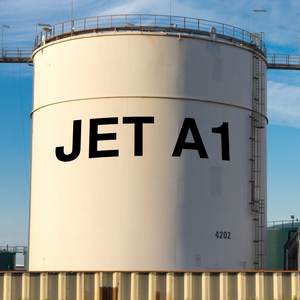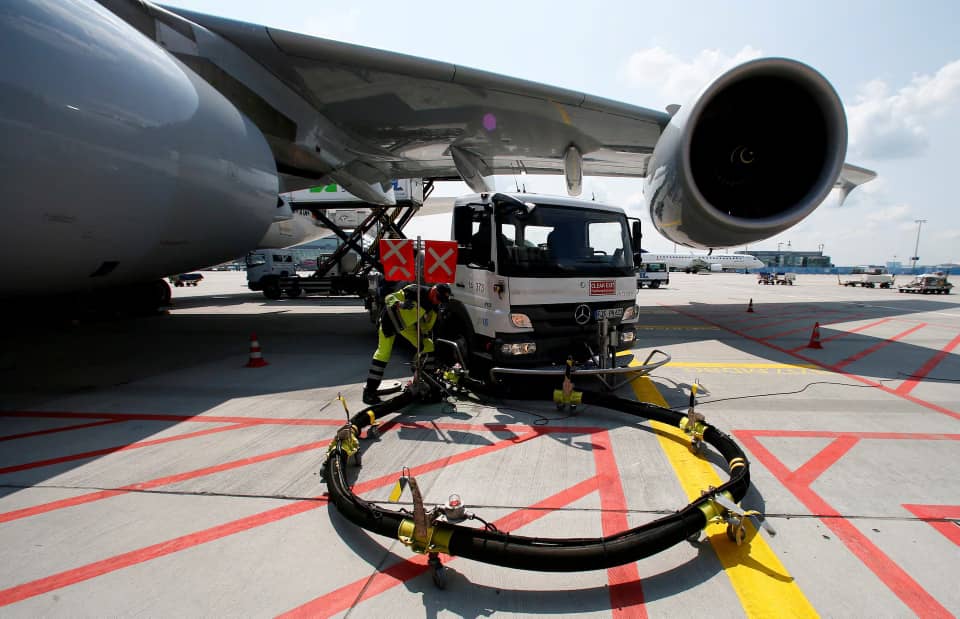
Nigeria’s aviation sector is facing fresh tension after fuel marketers disputed claims that jet fuel prices have surged to as high as ₦3,300 per litre, a figure cited by airline operators who are warning of a possible shutdown.
The disagreement comes amid growing concern from domestic carriers, who say the sharp increase in the cost of Aviation Turbine Kerosene (Jet A1) is threatening flight operations and could force airlines to suspend services if no relief is provided.
In response, the Major Energies Marketers Association of Nigeria (MEMAN) rejected the pricing claim, insisting that current market conditions do not support such extreme figures. The association said its internal review showed lower average prices and argued that airlines should explore alternative suppliers where better rates may be available.
MEMAN attributed recent volatility in aviation fuel prices to global supply disruptions, particularly geopolitical tensions affecting crude oil and refined product distribution. It also pointed out that logistics costs have risen significantly, with transport expenses reportedly increasing by about 50 percent in recent months.
According to the marketers, the handling and distribution of aviation fuel involve stricter safety and quality standards than other petroleum products, which naturally adds to operational costs across the supply chain.
The association expressed surprise at the ₦3,300 per litre claim, stating that it is significantly higher than prevailing market averages. While it did not publish a fixed price, MEMAN maintained that competitive options still exist in the market.
The group further advised airlines to reduce exposure to price fluctuations by entering long-term supply contracts rather than relying on spot purchases, which it said often worsen volatility risks.
On their part, airline operators argue that the continuous rise in jet fuel costs has made operations increasingly unsustainable. They have warned that if the situation persists, domestic carriers may be forced to ground flights nationwide.
The standoff highlights mounting pressure within Nigeria’s aviation industry, where fuel costs remain one of the biggest drivers of operational expenses. Industry stakeholders say the disagreement over pricing reflects deeper challenges in global supply chains and domestic energy distribution.