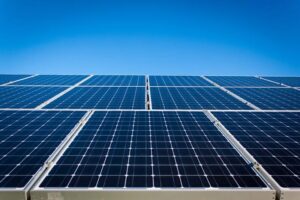
Nigeria’s Federal Government is set to install a ₦10bn solar power system at the Presidential Villa in Abuja, a move that has reignited debate over the state of the national electricity grid.
The project, captured in the 2025 budget, will provide solar energy infrastructure for Aso Rock, with an additional ₦7bn proposed in the 2026 budget for further upgrades and maintenance. The plan has raised questions about whether key government facilities are gradually shifting away from the national grid due to its persistent instability.
The development comes amid ongoing challenges in Nigeria’s power sector, where electricity generation has remained far below national demand. Despite repeated reform promises, supply has largely fluctuated between 3,000MW and 5,000MW, leaving households and businesses dependent on generators and other alternative sources.
The presidency had previously pledged to significantly boost power generation and improve nationwide electricity access, but progress has remained limited, according to sector data and independent assessments.
The proposed solar transition for Aso Villa has drawn mixed reactions, with critics arguing that it reflects declining confidence in the national grid, especially at a time when citizens continue to face frequent outages.
Energy sector reports also show a growing shift toward self-generation across Nigeria. Industries, commercial estates, and institutions are increasingly investing in captive power plants and renewable alternatives, a trend driven by unreliable grid performance.
Experts attribute the situation to structural issues in the power sector, including transmission constraints, gas supply shortages, and funding challenges affecting generation and distribution companies. They also note that a significant portion of installed capacity remains unused due to grid bottlenecks.
While officials maintain that gradual improvements are being recorded in the sector, many Nigerians say the impact on daily life remains limited.