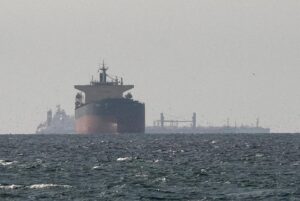
Fresh instability around the Strait of Hormuz has cast doubt on expectations that petrol prices in Nigeria could fall in the coming days.
The channel, which handles roughly 20 per cent of globally traded crude oil, was briefly reopened after a ceasefire between Iran and the United States.
That development sparked optimism among Nigerian fuel marketers that pump prices might drop from about ₦1,250 per litre to around ₦900 if stability was maintained.
However, within a day, Iran moved to shut the passage again, blaming continued restrictions on its ports. Reports also indicated that Iranian patrol boats confronted a merchant vessel attempting to pass through the route, signalling renewed tension in the region.
Reacting to the situation, Joseph Obele, spokesperson for the Petroleum Products Retail Outlet Owners Association of Nigeria, said the renewed closure had disrupted earlier projections of a price reduction.
According to him, petrol prices are unlikely to fall unless both sides agree to a lasting ceasefire that restores confidence in global oil supply.
He noted that before the crisis escalated in late February, petrol sold for just above ₦800 per litre, adding that marketers had expected a return to that range if the waterway remained open.
Despite the renewed tension, the global oil market has not reacted sharply. Brent crude was trading around $90 per barrel on Sunday, slightly above previous levels but still below Friday’s peak of $95.
Meanwhile, US President Donald Trump accused Iran of violating the ceasefire by attacking vessels in the strait and warned of possible strikes on Iranian infrastructure if Tehran fails to accept a broader agreement to end the conflict.
Trump also disclosed that American negotiators were expected in Islamabad, where earlier talks were held, as the current two-week ceasefire approaches its expiration.