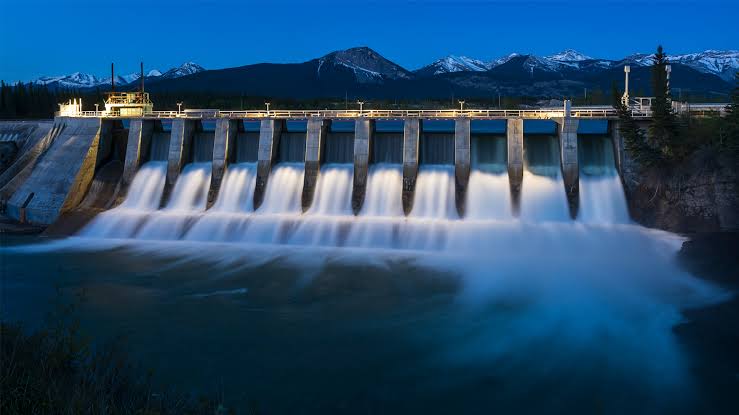
Cambodia has started construction of the Upper Tatay Pumped Storage Hydropower Station, a $1 billion Chinese-backed project designed to reduce the country’s dependence on imported fossil fuels as regional supply disruptions persist.
Located in the Tatay River basin, the pumped-storage facility will act as a large energy reservoir for the national grid. When electricity demand is low, excess power will be used to pump water to an upper reservoir. During peak demand, the stored water will be released through turbines to generate electricity, helping to stabilize the grid and support renewable integration.
The project is being developed by the China National Heavy Machinery Corporation and is expected to be completed by 2029. Chinese state media outlet Xinhua described it as a key part of a broader wind, solar, hydro, and storage energy base in the area.
Cambodia’s Mines and Energy Minister, Keo Rottanak, said the facility would strengthen grid reliability and allow the country to scale up renewable power use. China’s Ambassador to Cambodia, Wang Wenbin, noted that energy infrastructure has become central to cooperation between both countries.
Cambodia has significantly expanded electricity access and renewable generation over the past decade, much of it supported by Chinese investment.
Power access has risen to over 95% of the population, while renewables account for more than 60% of the country’s energy mix. With projects like Upper Tatay, authorities expect this share to exceed 70% by 2030.
The move comes as Southeast Asian nations accelerate renewable projects to shield their economies from fuel supply shocks linked to tensions around the Strait of Hormuz. For Cambodia, the hydropower plant represents both an energy security strategy and a long-term shift toward a more resilient, renewable-powered grid.