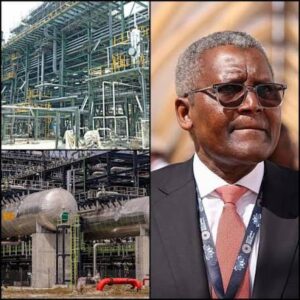
Africa’s richest man, Aliko Dangote, has revealed plans for a massive 20,000 megawatts power generation project, positioning it as part of a wider push to transform the continent’s infrastructure and industrial capacity.
Speaking during a podcast interview with the head of the International Finance Corporation, Makhtar Diop, Dangote said his investment strategy is focused on solving Africa’s long-standing energy and industrial gaps rather than relying on imports and external support.
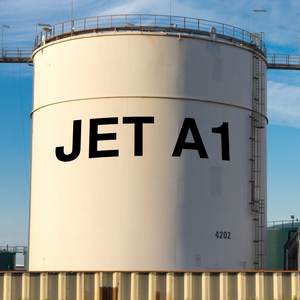
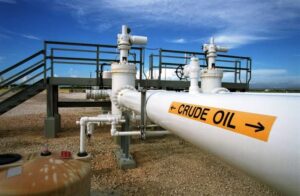
He pointed to Nigeria’s decades of dependence on imported fuel despite being a major crude oil producer, saying this imbalance inspired his decision to build a large-scale refinery.
According to him, the project was driven by the belief that Africa can successfully execute complex industrial ventures.
Dangote noted that the refinery has now reached stable production levels after initial doubts about its feasibility.
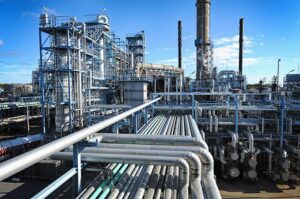
He said the facility has been operating at high capacity after extensive testing and gradual scaling, describing it as proof that African-led engineering and investment projects can deliver at global standards.
He also explained that the refinery was developed through a self-managed engineering and procurement approach, with all components sourced, shipped, and assembled under his company’s coordination.
Beyond refining, he said the group is now expanding into power generation, deep-sea port development, and gas infrastructure, with the aim of addressing critical bottlenecks limiting economic growth across Africa.
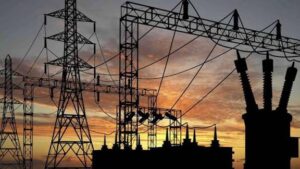
Dangote stressed that electricity remains one of the biggest barriers to industrial development, adding that reliable power supply is essential for manufacturing growth and job creation. The planned 20,000MW project, he said, is intended to help close that gap.
The business leader also linked his broader investments in fertiliser production and agriculture to a long-term vision of reducing Africa’s reliance on imports while boosting local value addition.
He criticised barriers to trade within Africa, including visa restrictions, border delays, and high transportation costs, arguing that these challenges make regional commerce more expensive than international trade routes.
According to him, improving connectivity and lowering logistics costs are essential steps toward unlocking Africa’s economic potential.
Dangote further revealed plans to allow broader African participation in his business empire through future listings, including the refinery, with returns expected to be paid in foreign currency to attract regional investors.
The development signals a continued expansion of the Dangote industrial footprint, particularly through Dangote Group, as it deepens investments in energy, infrastructure, and manufacturing across the continent.
He maintained that Africa’s growth will depend on bold private-sector investment and a shift toward producing goods locally rather than relying heavily on imports.