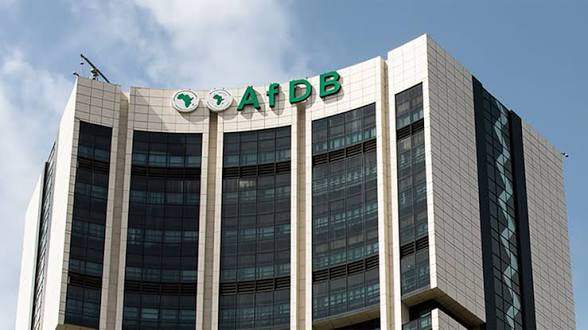
The African Development Bank has projected that Nigeria’s economic expansion could slow in 2027 as lower global oil prices weigh on the country’s revenue earnings.
In its African Economic Outlook 2026 report, the bank forecast that Nigeria’s economy would grow by 4.1 per cent in 2026, slightly higher than the estimated 4.0 per cent growth recorded in 2025. However, growth is expected to ease to 3.7 per cent in 2027.
The AfDB attributed the expected improvement in 2026 to stronger oil production and prices, expansion in the services sector, and increased government spending on infrastructure such as electricity, transportation, and logistics.
Despite the positive outlook for next year, the bank warned that declining oil prices in 2027 could reduce foreign exchange inflows and weaken government revenues, thereby slowing economic activities.
The report also highlighted several risks facing African economies, including rising inflation, supply chain disruptions, exchange rate pressures, and tighter global financial conditions.
According to the AfDB, higher fuel and fertiliser costs could negatively affect agricultural production and worsen food inflation across the continent. It added that persistent inflation may force central banks to maintain stricter monetary policies, which could reduce lending to businesses and slow economic growth.
The bank further cautioned that prolonged global economic shocks could worsen debt burdens, increase borrowing costs, and limit government spending on infrastructure and social services.
To address these challenges, the AfDB urged African governments to implement coordinated fiscal, monetary, and structural reforms aimed at improving economic stability and resilience.
The institution also advised countries to strengthen domestic revenue generation by widening tax nets, improving tax administration through digital systems, and ensuring greater transparency in the management of public funds.
The report noted that African economies should focus on attracting investments into emerging industries such as renewable energy and data centres while preserving macroeconomic stability to maintain investor confidence.
AfDB President, Dr Sidi Tah, said African economies had continued to show resilience despite global economic uncertainties, climate-related challenges, geopolitical tensions, and the lingering effects of the COVID-19 pandemic.
He stated that Africa’s economy grew by an average of 4.4 per cent in 2025, making the continent one of the fastest-growing regions globally.
Tah added that Africa would need to sustain growth rates of at least seven per cent annually over a long period to significantly reduce poverty and create enough jobs for its growing population.
The report also estimated that Africa could unlock as much as $1.43tn in additional yearly financing if governments address inefficiencies in resource mobilisation and public spending.
For West Africa, the AfDB projected economic growth of 4.7 per cent in 2026 and 4.5 per cent in 2027, compared to an estimated 4.8 per cent growth in 2025. It added that 10 countries in the region are expected to record growth rates of at least five per cent in 2026.