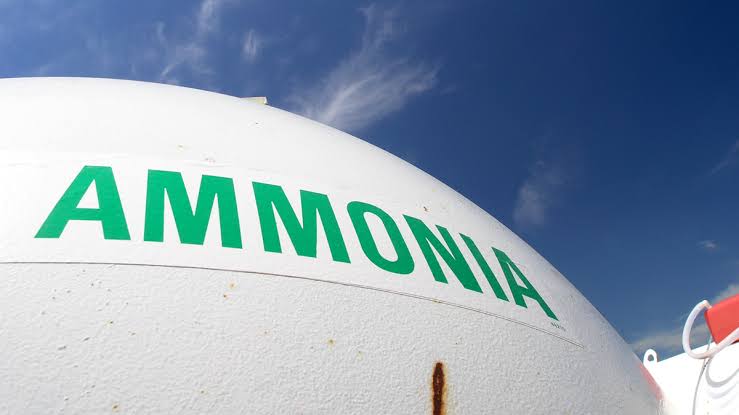
Asia’s energy sector is under pressure to move away from coal, which provided over half of the region’s electricity last year. To curb emissions, several countries are now exploring ammonia as an alternative fuel for power generation.
China, Japan, South Korea, and Indonesia are leading efforts to introduce ammonia “co-firing,” a process that blends ammonia with coal or natural gas to reduce carbon output. Analysts expect demand for ammonia in Asia’s power mix to rise nearly tenfold by 2030. However, the region still faces a supply gap of about 9 million tonnes per year, while high costs of production, transport, and infrastructure remain obstacles.
China Sets Aggressive Targets
Beijing has taken a direct approach by including ammonia in its official climate action plan. By 2027, all new or upgraded coal plants must cut emissions by half compared to 2023 levels, using a mix of biomass, ammonia, and carbon capture technologies. With renewable resources concentrated in Inner Mongolia, China is also building large-scale green ammonia facilities, aiming not only to meet domestic demand but also to become a key supplier in Asia.
Japan and South Korea Secure Supply Chains
Japan, which started earlier than most of its neighbors, has already signed deals to import blue ammonia from the U.S. and green ammonia from China and India. These arrangements are expected to support its long-term energy security and emissions reduction plans.
South Korea is using competitive auctions to push utilities into adopting hydrogen and ammonia. Although the first round of bidding in 2024 saw limited participation, new measures—including price adjustments and flexible supply contracts—are being introduced to attract more players.
Indonesia Weighs Its Options
As the world’s top coal exporter, Indonesia is also trialing ammonia co-firing to cut its dependence on fossil fuels. But like other countries in the region, it needs heavy investment in infrastructure and partnerships to make the technology viable.
High Costs a Stumbling Block
Ammonia power remains significantly more expensive than coal, with even small blends costing around 50% more. Experts argue that innovation, larger production scale, or the introduction of stronger carbon pricing will be needed to make ammonia competitive.
Despite these challenges, momentum across Asia is growing. If ammonia co-firing succeeds, it could transform the region’s power sector, reduce reliance on coal, and bring countries closer to their net-zero commitments.