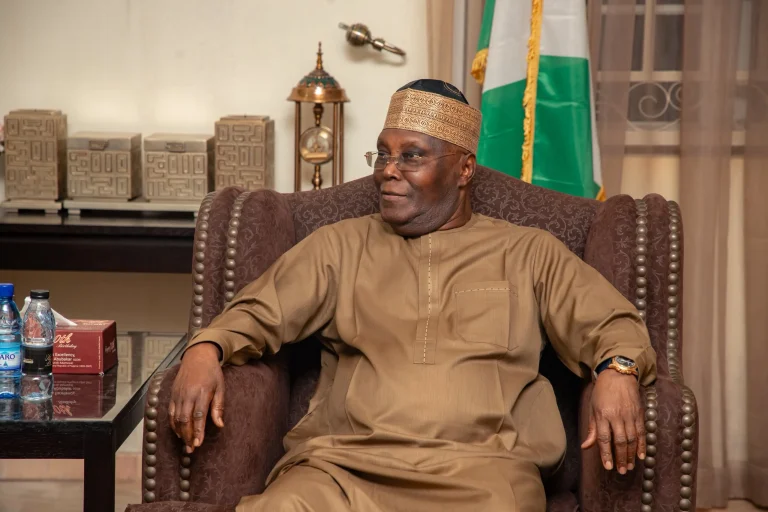
Former Vice President and African Democratic Congress presidential candidate, Atiku Abubakar, has called for an immediate increase in Nigeria’s ₦70,000 national minimum wage, citing the rising cost of fuel and other essential goods.
Atiku made the demand in a statement issued on Sunday by the Director of Strategic Communications of his presidential campaign council, Phrank Shaibu. He argued that higher prices of petrol, food, transportation and housing had reduced the purchasing power of workers.
The national minimum wage was increased from ₦30,000 to ₦70,000 in July 2024 following negotiations between the Federal Government and organised labour. President Bola Tinubu had said the wage would be reviewed after three years.
Using a petrol price of ₦1,400 per litre, Atiku said a worker earning the current minimum wage could purchase only about 50 litres of petrol with an entire month’s salary.
He compared this with the purchasing power of the previous ₦30,000 minimum wage when petrol averaged ₦254.06 per litre in April 2023, saying the earlier wage could buy about 118 litres.
Atiku said the pressure on workers extends beyond fuel costs, as higher transportation and energy expenses can affect the prices of food and other household necessities.
He also criticised the removal of petrol subsidy, arguing that the policy had increased the financial burden on working families without sufficient protection against the resulting rise in living costs.
The former vice president called on the Federal Government to clarify whether it intends to increase the minimum wage before the scheduled review, saying workers need a definite position on the issue.
Atiku further pledged that, if elected in 2027, his administration would begin efforts to increase the wage floor from its first day in office.
He proposed targeted support for petroleum products refined in Nigeria, alongside measures to increase domestic production and strengthen social protection. He said any such intervention should be subject to spending limits, public disclosure and independent auditing.
The Federal Government has previously said the ₦70,000 minimum wage was agreed with labour after negotiations and was intended to provide immediate relief to workers. The government also linked the broader economic reforms, including petrol subsidy removal, to efforts to address fiscal pressures and restructure the economy.
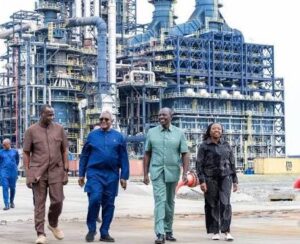
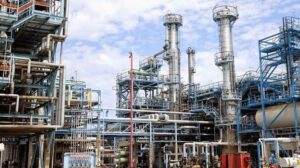
Recent petrol pricing has remained a major source of pressure on household and transport costs, with Dangote Refinery, for example, raising its gantry price from ₦1,265 to ₦1,350 per litre in September.