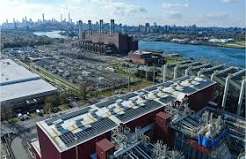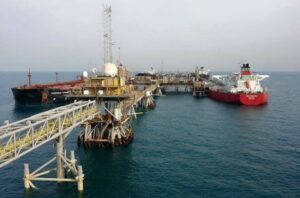

International crude oil prices have fallen below $90 per barrel, coinciding with a reduction in petrol depot prices across Nigeria to about N1,060 per litre, amid increasing competition between domestic refiners and fuel importers.
Brent crude, the global oil benchmark, declined by 2.9 per cent to $89.86 per barrel on Monday, while the United States West Texas Intermediate (WTI) crude benchmark dropped by the same margin to $80.96 per barrel.
The decline reflects concerns over global oil demand, geopolitical uncertainties and projections of increased supply in the international market in 2027.
In Nigeria, the fall in crude prices has been accompanied by lower petrol prices at depots, although the benefit has yet to fully reflect at filling stations, where some motorists continue to pay as much as N1,300 per litre.
The difference between depot and retail prices has raised questions about how quickly reductions in supply costs are being passed on to consumers.
The development comes amid growing debate over the role of imported petroleum products in determining domestic fuel prices.
The Petroleum Products Retail Outlets Owners Association of Nigeria (PETROAN) recently called on the Nigerian Midstream and Downstream Petroleum Regulatory Authority (NMDPRA) to continue issuing import permits to qualified marketers, arguing that multiple supply sources would strengthen competition and prevent price manipulation.
PETROAN’s National Public Relations Officer, Joseph Obele, said imported petrol currently had a cost advantage over locally refined products.
According to him, data from the NMDPRA showed that daily petrol imports increased by 47.1 per cent to 15 million litres in October 2026, compared with 10.2 million litres in September.
Obele also disclosed that imported petrol had an estimated landing cost of N1,056.79 per litre, against Dangote Petroleum Refinery’s reported gantry price of N1,159 per litre as of November 16.
He maintained that restricting imports could weaken competition and leave consumers with fewer supply options, particularly while domestic refining capacity continues to develop.
The PETROAN spokesman urged local refiners to remain competitive through affordable pricing, product quality and operational efficiency rather than depend on restrictions against imported products.
He also advocated increased investment in Nigeria’s refining industry, including the proposed equity partnership between the Nigerian National Petroleum Company Limited and two Chinese firms.
Obele expressed optimism that the proposed investment could eventually bring petrol prices below N700 per litre, although he acknowledged that crude supply arrangements, exchange rates, operational costs and investment requirements would influence the outcome.
Meanwhile, international financial institutions have offered varying projections for crude oil prices in the coming years.
Bank of America expects Brent crude to average $80 per barrel in 2027 and decline to $70 in 2028, citing geopolitical risks, relatively low inventories and possible supply disruptions.
JPMorgan, however, anticipates that an oversupply of crude oil could push prices towards the high $70s in the first half of 2027 before falling to the high $60s in the second half.
The latest market decline follows renewed geopolitical tensions in the Middle East, including reported attacks involving Iran and claims by Yemen’s Houthi rebels concerning Saudi Arabia’s Rabigh refinery.
Commenting on the domestic market, industry expert Otunba Adetunji Oyebanji said some petroleum marketers were benefiting from substantial profit margins but expected competition to eventually force prices lower.
He expressed confidence that increased competition among suppliers would put downward pressure on petrol prices in the coming period.