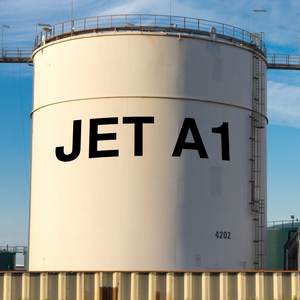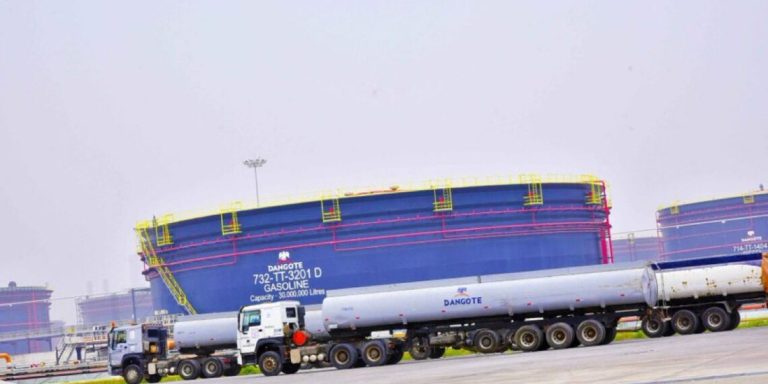
The Dangote Petroleum Refinery has started selling aviation fuel directly to airlines at a loading price of ₦1,820 per litre, a step aimed at easing the pressure on operators facing rising fuel expenses.
A senior official at the refinery confirmed that both local and international airlines can now purchase Jet A-1 straight from the facility. The move follows earlier supplies to Ethiopian Airlines, signalling a broader plan to make direct transactions the norm for interested buyers.
The refinery, which supplies most of Nigeria’s aviation fuel, said the price reflects current market realities driven by fluctuations in global crude oil prices. While the company had absorbed part of the burden on petrol and diesel costs in recent months, aviation fuel will be sold strictly at competitive rates due to the sharp rise in crude prices.
This development comes amid complaints by the Airline Operators of Nigeria that some marketers pushed jet fuel prices to unsustainable levels, with figures reportedly climbing from around ₦900 per litre earlier in the year to above ₦3,000 in some locations. The group warned that the situation threatened flight operations across the country.
However, the Major Energies Marketers Association of Nigeria rejected claims of overpricing, attributing cost increases to global supply disruptions and geopolitical tensions affecting oil markets.
Guidance from the Nigerian Midstream and Downstream Petroleum Regulatory Authority placed expected jet fuel prices within a range of roughly ₦1,760 to ₦2,037 per litre depending on location, a benchmark the refinery’s new price aligns closely with.
Meanwhile, the Lagos Chamber of Commerce and Industry urged the Federal Government to explore ways to lower airlines’ operating costs without introducing subsidies. The chamber warned that prolonged high fuel prices could weaken the aviation sector and affect the broader economy.
LCCI noted that although the fuel challenge is global, Nigeria’s situation is more sensitive due to its economic structure. It added that domestic refining has helped cushion supply risks and called for greater transparency in pricing to restore confidence among stakeholders.
Industry observers say the refinery’s decision to open direct sales to airlines could improve price clarity, reduce dependence on middlemen, and help stabilise the aviation fuel market as global oil prices remain volatile.