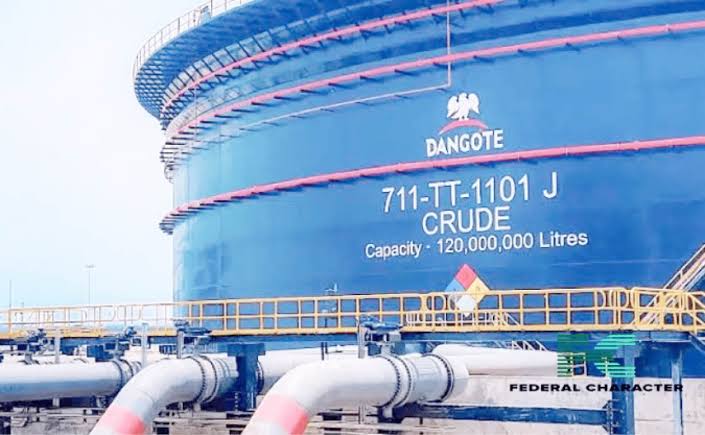
Petroleum marketers in Nigeria may soon reconsider importing petrol following a recent reduction in the ex-depot price of the fuel by Dangote Petroleum Refinery. The refinery lowered its gantry price by ₦49 per litre last Friday, bringing the cost down to ₦828 per litre, a 5.6% decrease from previous levels.
Industry experts say the price cut, combined with the Federal Government’s 15% import tariff on refined fuel, could make imported petrol less competitive and potentially unprofitable for marketers. Clement Isong, Executive Secretary of the Major Oil Marketers Association of Nigeria (MOMAN), explained that Dangote’s pricing could temporarily halt imports, as most imported fuel costs exceed the refinery’s new rate.
“Imports would stop for now because it’s difficult to compete with Dangote’s price,” Isong said, noting that the refinery sets prices based on import parity and market trends, often referencing a 30-day average to avoid daily volatility.
However, some industry stakeholders have warned that stopping imports entirely could lead to shortages, as local refining capacity still meets only about 30–35% of national petrol demand. Billy Gillis-Harry, President of the Petroleum Products Retail Outlets Owners Association of Nigeria (PETROAN), emphasized that imported fuel remains essential to supplement domestic production.
“While Dangote’s pricing gives him a competitive edge, imports cannot stop. Local refining alone is insufficient to meet the country’s demand,” he said, urging the government to consider reviewing the import tariff to ensure steady fuel availability.
According to the Major Energies Marketers Association of Nigeria (MEMAN), the average import parity price of petrol over the past 30 days has been ₦824.10 per litre, slightly lower than Dangote’s gantry price. Retail prices across the country currently range between ₦850 and ₦950 per litre, depending on location and distributor.
Despite the price reductions, both industry experts and marketers expect the market to stabilize over time, with imports continuing to play a supporting role in Nigeria’s fuel supply chain.