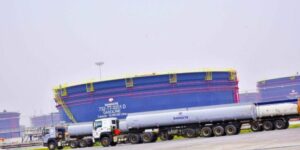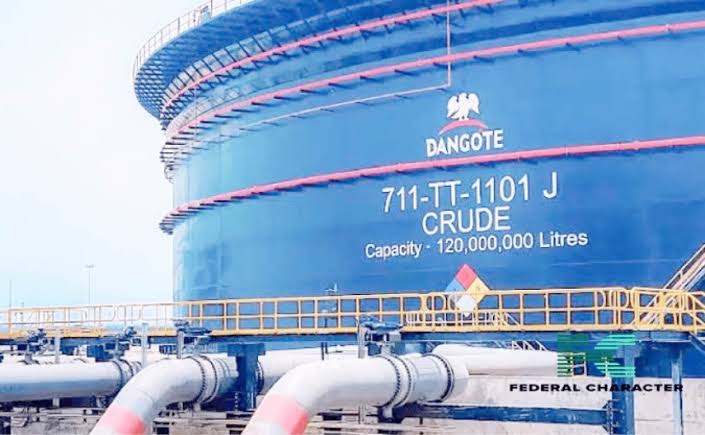
The Dangote Petroleum Refinery is set to increase its processing capacity from 650,000 to 700,000 barrels per day (bpd), a development expected to strengthen Nigeria’s energy independence and reduce the influence of foreign refiners in African markets.
Since coming onstream, the $20 billion facility has already reshaped fuel supply patterns. Nigeria, which once relied heavily on imports, now meets most of its domestic demand while also exporting petrol, diesel, and aviation fuel to markets across Africa, Asia, and Europe. This shift has disrupted long-standing supply routes, particularly in Europe, where refiners face tighter competition and falling gasoline inventories.
The Organisation of Petroleum Exporting Countries (OPEC) has noted that Dangote’s current 650,000 bpd capacity already surpasses some of Europe’s largest refineries, including Shell’s Pernis in the Netherlands (404,000 bpd) and BP’s Rotterdam plant (380,000 bpd). OPEC warned that continued Nigerian exports would force global refiners to adjust supply flows and seek new markets.
Industry experts say the refinery’s impact is already visible. Olajide Jeremiah, Chief Executive of Petroleumprice.ng, explained that “the refinery supplies more than 20 million litres of fuel daily within Nigeria and about 30 million litres across Africa. Once capacity rises to 700,000 bpd, the global effects will be even stronger.”
The Independent Petroleum Marketers Association of Nigeria (IPMAN) described the expansion as a welcome step for the economy. Its spokesperson, Chinedu Ukadike, noted that fuel scarcity has eased significantly, while Nigeria is now earning more foreign exchange through exports.
So far, Dangote has exported petrol to countries including Ghana, Cameroon, Angola, and South Africa, while diesel and jet fuel have been shipped to European buyers. The refinery also marked a milestone with its first gasoline export to Asia.
Commenting on the wider implications, political analyst Prof. Sylvester Akhaine said the project is disrupting global oil markets, even leading to reported job cuts at storage hubs in Europe. He urged Nigerians to view the refinery as a national success story.
Analysts believe the planned expansion will further consolidate Nigeria’s position as a regional energy hub while continuing to reshape global fuel trade.