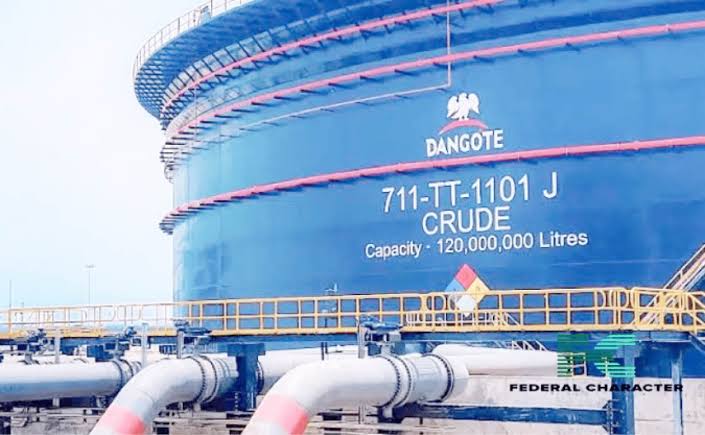
Dangote Refinery is set to slow down how often it adjusts petrol prices in Nigeria, according to industry sources familiar with the company’s new pricing direction.
Those close to the development say the refinery is moving away from the pattern of frequent ex-depot price revisions seen earlier this year. Future changes are expected to happen mainly when there are sustained and sharp movements in global crude oil prices.
Market data shows the refinery reviewed its fuel prices 17 times between January and May 2026. Nine of those adjustments happened in the first quarter, while eight occurred in the second quarter so far, including two changes in May alone. The frequent reviews reflected the volatility that characterised the downstream market during the period.
Independent marketers, depot operators, distributors and filling station owners had raised concerns that constant price changes made business planning difficult. Many said it affected inventory management, pump pricing decisions and supply commitments.
Retailers also noted that sudden price increases or reductions often squeezed their margins, especially for stations holding stock bought at previous prices.
Sources say the refinery now wants to focus on maintaining relative price stability to reduce disruptions across the fuel supply chain and improve predictability in the market.
Industry observers believe a more stable pricing approach from the refinery could influence broader market behaviour, given its growing role in Nigeria’s domestic fuel supply.
With a processing capacity of 650,000 barrels per day, the refinery has continued to reshape the downstream sector by boosting local refining output and cutting dependence on imported petroleum products.
Analysts, however, point out that international crude oil trends will still play a key role in determining local petrol prices, particularly if global benchmarks record prolonged increases.
Even so, operators say fewer price reviews could improve confidence, support planning and reduce pressure on businesses and consumers operating in Nigeria’s volatile fuel market.