The Depot and Petroleum Product Marketers Association of Nigeria (DAPPMAN) has raised concerns over the recent petrol price reductions announced by the Dangote Refinery, warning that the cuts could destabilize the downstream market.
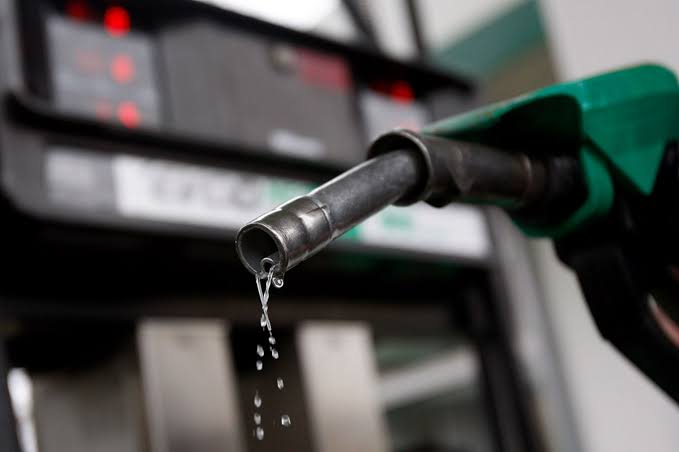
Dangote had planned to lower petrol prices starting Monday, reducing rates in Lagos and the South West from N865 to N841 per litre, while prices in Abuja, Edo, and Kwara would fall to N851 per litre. The move coincides with the refinery’s launch of a direct fuel distribution scheme.
DAPPMAN Executive Secretary, Olufemi Adewole, said the timing of these reductions appears strategic, occurring when other fuel importers had active cargoes, potentially creating market shocks and putting financial pressure on competitors and domestic customers. He also criticized the refinery for offering lower prices to international buyers while charging higher rates to local buyers, questioning claims that the cuts prioritize Nigerians.
The association also commented on the ongoing tensions between Dangote and the Nigerian Union of Petroleum and Natural Gas Workers, expressing concern about potential repercussions for ordinary consumers and the broader fuel supply chain.
Adewole emphasized that Nigeria’s downstream stability does not rely solely on Dangote Refinery, noting that it meets only 30–35 percent of national demand. The remaining supply comes from independent marketers, including DAPPMAN members, who have consistently ensured fuel availability across the country despite economic challenges, security issues, and regulatory changes.
DAPPMAN further rejected claims that its members distribute substandard fuel, stressing that all imports undergo independent laboratory testing according to Nigerian Midstream and Downstream Petroleum Regulatory Authority (NMDPRA) standards and global quality benchmarks.
The association called for recognition of the contributions of long-standing marketers, warning against public narratives that could mislead the public or undermine the sector’s stability.