The Economic Community of West African States (ECOWAS) has announced plans to significantly increase the contribution of renewable energy to the region’s electricity supply, targeting a 48 per cent share by 2030.
The goal was highlighted during a meeting of the ECOWAS Parliament’s Joint Committee on Energy and Mines, Infrastructure, Agriculture, Environment and Natural Resources held in Dakar, Senegal.
Speaking on behalf of the President of the ECOWAS Commission, the Director of Cabinet, Abdou Kolley, Acting Director of Energy and Mines, Williams Baidoe, said the regional bloc remains committed to ensuring that all West African communities have access to dependable, affordable and sustainable electricity.
According to him, ECOWAS has developed several policies to support the transition, including updated frameworks on energy development, renewable energy expansion and energy efficiency. These policies are designed to boost clean energy generation while addressing challenges within the power sector.
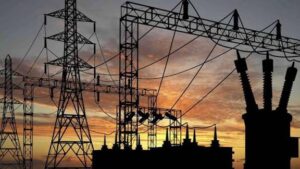
Baidoe explained that the renewable energy strategy seeks to increase the use of clean energy sources, including hydropower, across member states. He added that efforts are also being made to cut electricity losses caused by aging infrastructure, which currently account for a significant portion of power wastage in the region.
He noted that the newly adopted ECOWAS Climate Strategy would help member countries coordinate actions aimed at reducing the impact of climate change through both adaptation and mitigation initiatives.
The ECOWAS official also pointed to the role of regional institutions such as the ECOWAS Centre for Renewable Energy and Energy Efficiency, the West African Power Pool and other energy agencies in strengthening cross-border electricity systems and expanding energy infrastructure.
He stressed that improved electricity access should serve as a tool for economic development, supporting businesses, healthcare services and education, particularly in underserved communities.
Baidoe further called on residents across the region to protect energy facilities, avoid illegal power connections and make productive use of electricity to drive local economic growth.
He said ECOWAS is continuing to collaborate with governments, development partners and private stakeholders to attract investment, build technical capacity and expand clean energy markets throughout West Africa.