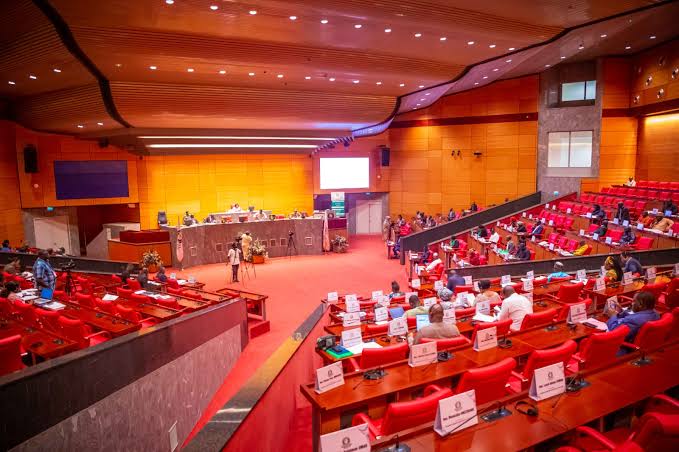
The ECOWAS Parliament has called for a stronger push toward renewable energy development to expand electricity access and support rural growth across West Africa.
This call was made during a five-day joint committee meeting held in Dakar, Senegal, where lawmakers, energy experts, and development partners gathered to discuss how clean energy can help tackle poverty, unemployment, and weak infrastructure in rural communities.
Participants expressed concern that despite the region’s abundant solar resources, millions of people still lack access to electricity. They noted that many rural households remain unconnected to national power grids, while businesses continue to depend on expensive diesel generators due to unreliable supply.
Officials at the meeting highlighted that electricity access in rural areas remains very low across the region—estimated at about 12% in some reports and below 40% overall in ECOWAS member states, with even lower levels in remote communities. They described the situation as a major barrier to development.
Lawmakers stressed that renewable energy should not be viewed only as a technical solution, but as a key economic tool that can transform rural livelihoods. They argued that improved access to clean power would help farmers increase productivity, support small businesses, and create new jobs for young people and women.
The discussions also focused on the wider impact of energy shortages, including poor healthcare delivery due to limited power for medical equipment and vaccine storage, as well as underperforming schools and small enterprises unable to expand.
Senegal was highlighted as one of the countries making progress in renewable energy adoption, with ongoing solar investments helping to improve electricity access in rural areas and reduce reliance on fossil fuels.
The meeting is expected to produce recommendations aimed at accelerating renewable energy deployment across West Africa as member states look for long-term solutions to chronic electricity shortages.