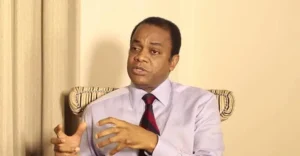
The newly appointed Chairman of the Nigerian Electricity Regulatory Commission (NERC), Abdullahi Ramat, has announced plans to provide tariff relief to low-income households, schools, and hospitals under the Electricity Act 2023.
Ramat, speaking in Kano during a visit from Aminu Kano Teaching Hospital’s management, said the Power Consumer Assistance Fund (PCAF) will cushion vulnerable Nigerians and essential institutions from rising electricity costs.
“The PCAF is aimed at reducing the impact of electricity tariffs on consumers while supporting hospitals and schools,” he said. The fund will be managed by NERC and financed through government allocations and contributions from larger electricity users, ensuring fair distribution to those eligible.
Under the Electricity Act, NERC will determine who contributes to the fund, how much, and how subsidies are allocated. Non-payment of contributions could result in fines of up to three times the owed amount.
Ramat urged institutions to adopt energy-saving measures, such as audits, replacing inefficient equipment, and monitoring electricity usage in staff quarters. He also assured continued engagement with distribution companies to maintain a steady electricity supply.
Experts have praised PCAF as a more targeted alternative to broad subsidies. Adetayo Adegbemle, founder of PowerUpNigeria, explained that the fund would allow distribution companies to charge cost-reflective tariffs while giving direct support to low-income consumers. Households using less than 25 kWh per month could receive full subsidies, with a suggested minimum support of N5,000 monthly.
Ramat also outlined plans to digitize the sector, including an app linking distribution companies and the Nigerian System Operator for real-time monitoring. A whistleblowing tool will allow consumers to report electricity theft and illegal connections anonymously.
“The aim is to reduce losses, improve efficiency, protect consumers, and restore investor confidence,” he added.
The PCAF initiative is viewed as a significant step toward balancing affordability and sustainability in Nigeria’s electricity market, offering a practical solution to long-standing sector challenges.