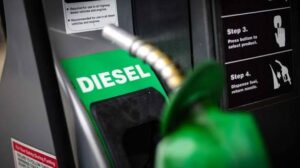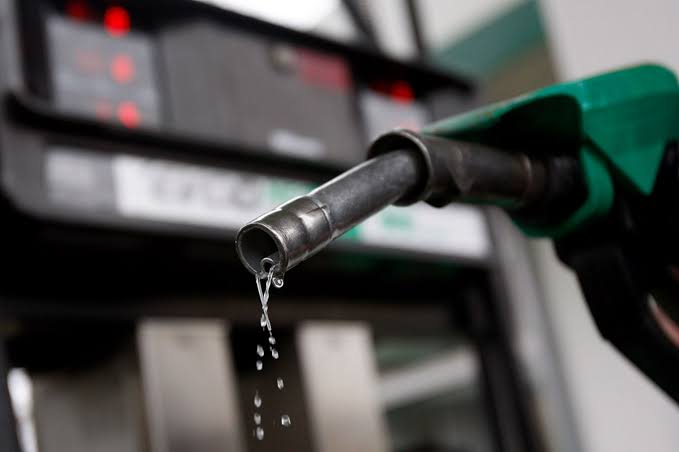
Nigerians worried about a looming fuel surcharge in January 2026 can breathe a little easier, at least for now. The Federal Government has clarified that no start date has been fixed for the five per cent levy on petrol and diesel, despite widespread speculation.
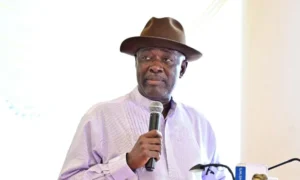
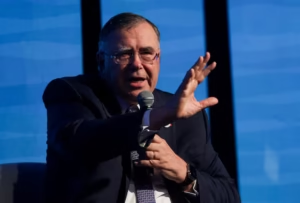
Chairman of the Presidential Committee on Fiscal Policy and Tax Reforms, Taiwo Oyedele, explained that although the newly signed Harmonised Tax Act provides for such a surcharge, only the Minister of Finance has the authority to determine when it will take effect. He stressed that January 2026 is not on the table.
The levy, when eventually enforced, will be applied to fossil fuels such as petrol and diesel. Cleaner energy sources—including cooking gas, compressed natural gas, and household kerosene—will be exempt. Oyedele said the revenue from the tax is intended to support investment in transport infrastructure, which could eventually help reduce logistics costs and inflation.
The surcharge itself is not new. It stems from earlier legislation under the Federal Roads Maintenance Agency Act of 2002, later amended in 2007 to introduce a funding mechanism through fuel charges. Under the framework, FERMA is allocated 40 per cent of the funds while state road agencies receive 60 per cent.
The announcement comes at a sensitive time. Since President Bola Tinubu removed fuel subsidies in 2023, pump prices have more than tripled, driving up inflation and living costs nationwide. Labour unions, already critical of repeated hikes, have said they are waiting for official communication before taking a stance. The Nigeria Labour Congress has previously staged nationwide protests over fuel price increases.
Opposition figures have also entered the debate. Former presidential candidate Peter Obi condemned the levy plan, warning that it would deepen economic hardship at a time when Nigerians are struggling to cope with rising transport costs. He argued that revenue already raised should be channelled into healthcare, education, and poverty relief, instead of adding to citizens’ burdens.
President Tinubu, who is currently on a working visit in Europe, has defended his government’s fiscal policies. He recently announced that Nigeria surpassed its 2025 revenue target by August, crediting diversification efforts beyond oil for the milestone.
For now, the government insists that any decision on when the surcharge begins will depend on timing and broader economic conditions. But with public trust low and tensions high, the eventual rollout is likely to spark fierce debate across the country.