The Nigerian government is moving to prevent a potential crisis at several NNPC-operated power plants, as growing financial gaps and delayed payments threaten energy supply in parts of the country.
In a meeting held at the NNPC headquarters in Abuja, key government officials, including the Minister of State for Petroleum Resources (Gas), Ekperikpe Ekpo, and Minister of Finance, Wale Edun, met with top NNPC executives to discuss possible solutions to ongoing challenges in the gas-to-power value chain.
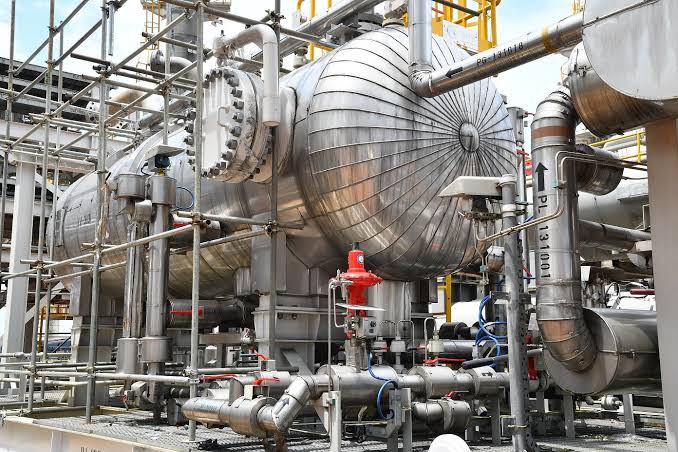
Central to the talks were three gas-powered facilities: the Maiduguri Emergency Power Plant, Okpai Independent Power Plant Phase 2, and Kano IPP Phase 1. Concerns were raised about the operational risks these plants face due to payment delays and persistent tariff deficits, particularly within the Nigeria Bulk Electricity Trading (NBET) system.
According to a statement from Ekpo’s media aide, Louis Ibah, NNPC representatives warned that if urgent interventions aren’t made, electricity supply to strategic regions could be disrupted impacting both economic activity and regional stability.
Ekpo emphasized the broader consequences, saying that unless financial bottlenecks are cleared, Nigeria’s investment in gas infrastructure will fall short of delivering tangible benefits. He highlighted the strategic importance of steady power supply in Northern Nigeria and increased output from plants like Okpai to support the national grid.
Finance Minister Edun agreed that a sustainable financing approach was needed, one that protects the operations of existing infrastructure while enabling economic growth.
As part of the way forward, stakeholders committed to reconvening soon alongside the Minister of Power to devise concrete, time-bound solutions.
Nigeria’s power sector continues to reel under financial pressure. Electricity subsidies and poor revenue collection have left distribution companies unable to meet their financial obligations, resulting in cascading debts across the entire power generation and supply network.
Minister of Power Adebayo Adelabu recently noted that the government can no longer afford to maintain the N200 billion monthly subsidy, which is deepening the sector’s liquidity challenges.
With debts piling up and critical infrastructure at risk, the government’s next steps could determine the fate of gas-powered electricity across the country.