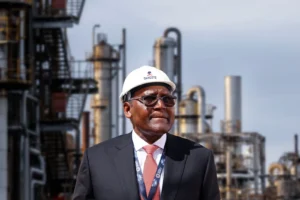
Dangote Petroleum Refinery’s upcoming move to start selling fuel directly to retailers has sparked fears of job losses and major shake-ups in Nigeria’s fuel distribution network.
The Natural Oil and Gas Suppliers Association of Nigeria (NOGASA) is pushing back against the decision, saying it could sideline thousands of workers and disrupt the supply chain. Their president, Benneth Korie, said the plan risks putting trucks and staff out of use and could destabilize the entire downstream sector.
“We’ll lose jobs, and many of our members may be forced out,” Korie warned.
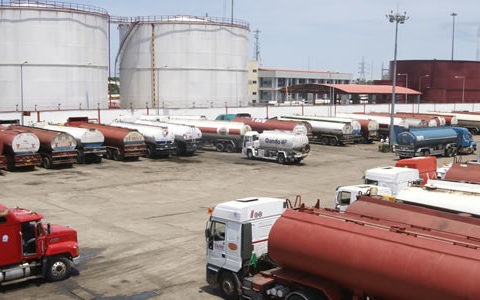
NOGASA and other industry groups, like the Independent Petroleum Marketers Association of Nigeria (IPMAN), believe Dangote’s approach leaves out key players. IPMAN has asked that the 4,000 trucks Dangote acquired for the scheme be handed over to marketers for a more coordinated and balanced fuel supply nationwide.
IPMAN’s spokesperson, Chinedu Ukadike, said giving marketers control of distribution would help ensure steady supply and fair pricing across all parts of the country.
Adding to the concern, the Petroleum Products Retail Outlets Owners Association of Nigeria (PETROAN) described Dangote’s plan as a short-term fix that could lead to higher fuel prices later.
Tanker drivers are also uneasy. Some fear they’ll become redundant if Dangote manages deliveries on its own. Stakeholders, including the National Association of Road Transport Owners, are currently in talks to assess the likely impact of the move.
NOGASA has scheduled a meeting for July 31 to finalize its response and propose an alternative system where they remain involved in getting fuel to retailers.
With Dangote’s new supply model set to roll out on August 15, the fuel industry is bracing for major changes—and possibly a struggle over who gets to stay in the game.