A coalition led by the United Kingdom and France, alongside nearly 30 countries, is working to restore safe passage through the Strait of Hormuz after escalating tensions made the key oil route unsafe for commercial vessels.
The move follows a high-level meeting on March 19 involving the UK, France, Germany, Italy, the Netherlands, and Japan, where leaders agreed to begin coordinated plans to secure maritime navigation in the region. Since then, more countries have joined the effort, with talks underway to define how a joint mission would operate and when it could begin.
Officials involved in the discussions condemned the use of sea mines and continued drone and missile activity that discouraged ships from passing through the waterway. The coalition has called on Iran to reduce hostilities and allow commercial traffic to resume safely.
Diplomatic sources indicate that further meetings and a possible security conference may be hosted in the UK to finalize operational details aimed at reopening the route as soon as conditions allow.
The disruption in the Gulf is already hitting African countries hard through higher fuel prices and increased import costs.
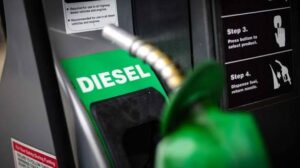
In South Africa, authorities are preparing for another jump in pump prices, worsened by India introducing export duties on refined fuel, a key supply source for the country.
Nigeria has also seen significant increases in petrol prices in recent weeks, reflecting the strain caused by longer shipping routes, rising freight charges, and higher insurance premiums for vessels.
In Egypt, the government has rolled out energy-saving steps to manage supply pressure and reduce the impact on public finances.
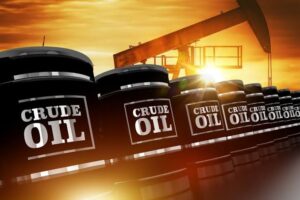
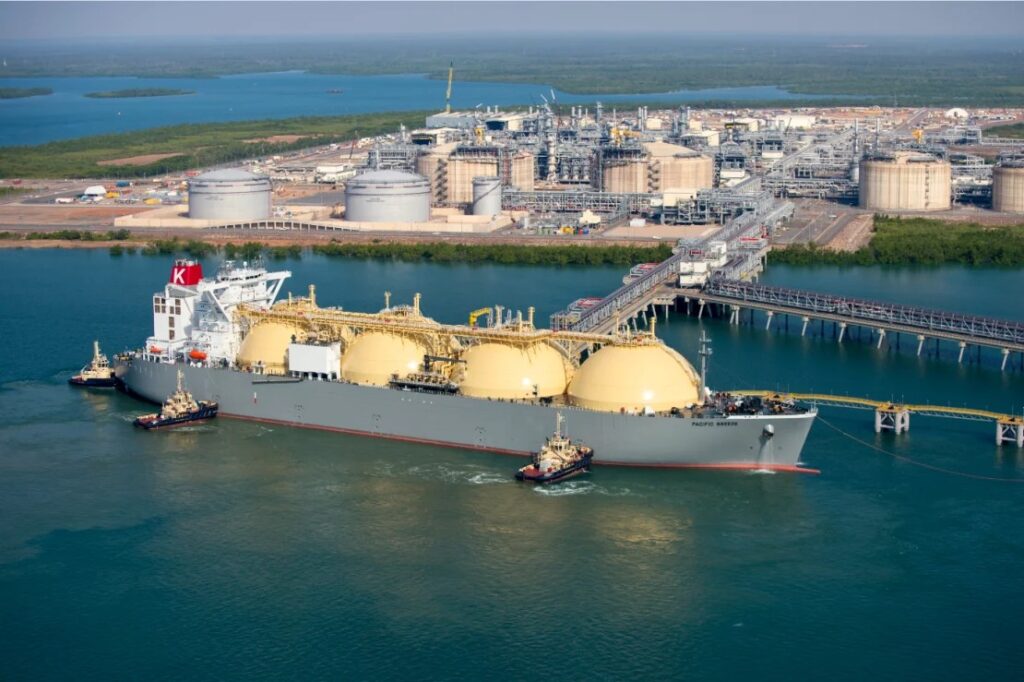
The Strait of Hormuz remains one of the world’s most important energy passages, handling a large share of global oil and gas exports. When access is restricted, global supply tightens and prices quickly rise.
For many African nations that rely heavily on imported petroleum products, the crisis has exposed deeper energy security challenges.
While reopening the route would ease immediate pressure, it has renewed calls for stronger local refining capacity and long-term strategies to reduce dependence on distant fuel markets.