Nigeria could see petrol prices rise above ₦1,000 per litre following President Bola Tinubu’s approval of a new 15% import tariff on petrol and diesel — a policy the government says is aimed at protecting local refineries.
The new tariff, which will take effect after a 30-day transition period ending November 21, 2025, is part of a broader plan to strengthen domestic refining and curb the influx of cheaper imported fuel.
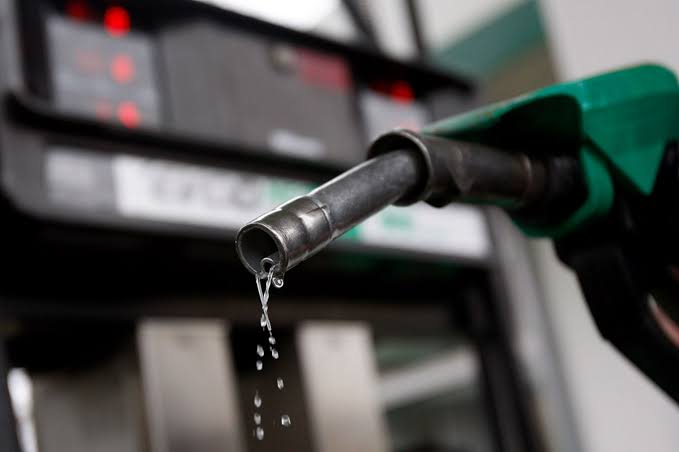
However, petroleum marketers have raised concerns that the move may worsen the hardship already faced by Nigerians. They warned that with petrol currently selling for about ₦920 per litre in many areas, the new tariff could easily push prices beyond ₦1,000.
One depot operator who spoke anonymously said, “This policy will only make things tougher. Prices are already high, and adding more cost will push fuel beyond the reach of ordinary Nigerians.”
The National Vice President of the Independent Petroleum Marketers Association of Nigeria (IPMAN), Hammed Fashola, acknowledged that the tariff has both positive and negative sides. While it could discourage importation and support local refiners, he noted it might also lead to scarcity if the refineries fail to meet national demand.
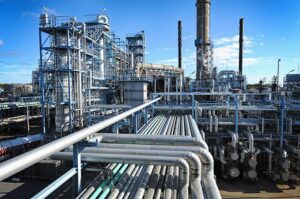
Fashola urged the Nigerian National Petroleum Company Limited (NNPCL) to fast-track efforts to restore operations at the Port Harcourt, Warri, and Kaduna refineries to prevent supply shortages. He also called on private refineries, such as those owned by Dangote and BUA, to increase production in order to encourage competition and prevent monopoly.
Similarly, the President of the Petroleum Products Retail Outlet Owners Association of Nigeria (PETROAN), Billy Gillis-Harry, described the tariff as a “win-win” policy that could help balance the market if properly managed. He stressed that availability and affordability should remain top priorities for the government.
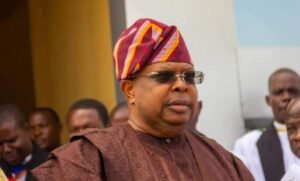
The policy, proposed by the Executive Chairman of the Federal Inland Revenue Service (FIRS), Zacch Adedeji, is designed to align import costs with domestic refining realities. Adedeji stated that the 15% duty is expected to add about ₦99 per litre to the landing cost of fuel, generating around ₦1.9 billion in additional daily revenue for the government.
According to the FIRS, the policy is not primarily about raising revenue but ensuring that local refiners can operate profitably without being undercut by cheaper imports.
Energy analysts, however, have cautioned that while the new duty may attract more investment in local refining, it could also lead to short-term increases in pump prices and expose the country to supply risks if local output remains insufficient.
Some political figures have also criticised the move. Prominent APC chieftain, Chief Ayiri Emami, described the policy as “insensitive,” warning that it would further burden struggling Nigerians. He urged the President to suspend the tariff until economic relief measures are in place.
“This kind of decision will hurt ordinary people the most,” Emami said. “Fuel costs already determine whether people can go to work or even feed their families.”
Public reactions on social media were equally divided. While some users praised the tariff as a necessary step to boost local production and protect the naira, others condemned it as a policy that favours big refinery owners at the expense of the masses.
The Nigerian Midstream and Downstream Petroleum Regulatory Authority (NMDPRA) said it is ready to implement the new tariff once it receives formal communication from the government. It assured that market forces will continue to determine pump prices in the fully deregulated downstream sector.
Officials also noted that the government would periodically review the tariff to ensure it remains fair as domestic refining capacity increases.
If fully implemented, the policy is expected to encourage more investment in refining and reduce Nigeria’s heavy dependence on imported fuel — but for now, it also signals another likely rise in the cost of living for millions of Nigerians.