The Federal Government has sharply increased the prices of petrol and high-speed diesel, citing surging international oil costs linked to escalating tensions in the Middle East.
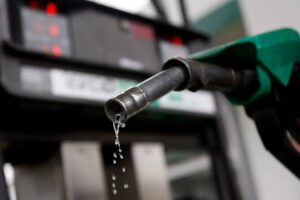
During a late-night televised briefing, Petroleum Minister Ali Pervaiz Malik announced that petrol would now sell for Rs458.41 per litre, while high-speed diesel rose to Rs520.35 per litre. The new rates took effect on Friday.
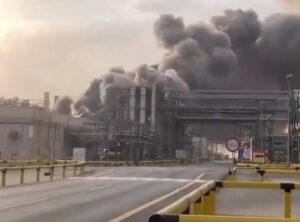
According to officials, the spike follows record crude prices in key import markets in Dubai and Oman, as supply fears grow amid the regional crisis and reported disruptions around the Strait of Hormuz.
Malik said the government has already spent Rs129 billion on fuel subsidies since early March to shield consumers from the global price shock but is now moving away from broad subsidies toward more focused relief for vulnerable groups.
Finance Minister Muhammad Aurangzeb said the uncertain duration of the crisis makes it necessary to prioritize support for those most affected, while also protecting food supply and energy stability.
Under the revised support plan:
Motorcycle and rickshaw users will receive a Rs100 per litre subsidy, capped at 20 litres per month for three months.
Small-scale farmers will get Rs1,500 per acre during harvest.
Intercity transport operators will benefit from fuel subsidies and monthly support for trucks, buses, and large transport vehicles.
Assistance is also planned for Pakistan Railways.
The price of kerosene was also raised by Rs34.08 per litre to Rs467.48.
Malik noted that diesel prices in international markets have crossed $250 per barrel, placing additional strain on import-dependent economies like Pakistan. He said austerity measures and budget adjustments ordered by Prime Minister Shehbaz Sharif were aimed at softening the impact, but acknowledged that external pressures had limited the government’s options.
Officials warned that the fuel hike could trigger higher transport fares and wider inflation concerns. In response, the government is considering energy-saving measures, including revised market hours to cut electricity consumption. A final plan is expected after consultations with provincial authorities.
The ministers described the measures as difficult but necessary, urging national unity as the country navigates what they called an externally driven energy shock affecting economies worldwide.