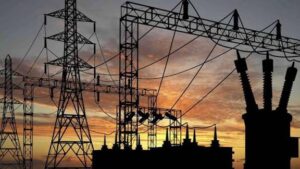
As Nigeria continues to face widespread electricity blackouts, power generation companies (GenCos) and distribution companies (DisCos) are blaming each other for the crisis.
GenCos say DisCos are rejecting the limited electricity being produced, causing huge losses. Joy Ogaji, CEO of the Association of Power Generation Companies, said that while gas shortages reduce output from thermal plants, DisCos also refuse to take some of the power available.
She explained that in January, Nigeria generated an average of 4,541 megawatts, but 2,985MW was not picked up. In February, 4,218MW was generated, yet 3,274MW went unused.
According to Ogaji, Nigeria has 30 grid-connected power plants with a total capacity of 15,500MW, but only 7,000MW is currently available, and transmission and distribution networks can handle just 4,000–4,500MW.
DisCos, however, say they do not reject electricity on purpose. They explained that “load dumping” occurs when power is delivered to areas they cannot serve or collect payment from, forcing them to refuse it. Sunday Oduntan, CEO of the Association of Nigerian Electricity Distributors, said the focus should be on solutions, noting that bottlenecks in transmission and distribution, not unwillingness, cause the problem.
The Transmission Company of Nigeria (TCN) added that electricity allocation depends on DisCos’ daily requests and their ability to distribute power within their franchise areas.
The disagreement highlights ongoing challenges in Nigeria’s power sector, including limited generation, transmission bottlenecks, and distribution constraints, all contributing to persistent blackouts.