Rising instability around the Strait of Hormuz is prompting fresh discussions about alternative oil export routes, after the head of the International Energy Agency suggested a new pipeline linking Iraq’s southern oil fields to Türkiye’s Mediterranean coast.
IEA Executive Director Fatih Birol proposed constructing a pipeline from Basra to the Turkish port of Ceyhan as a long-term solution to reduce reliance on the narrow Gulf passage, where shipping has been repeatedly disrupted by conflict.
According to Birol, such a project would not only benefit Iraq and Türkiye but also strengthen Europe’s energy security by ensuring more stable crude flows that do not depend on maritime routes through Hormuz. He noted that the timing is right for the project and expressed confidence that financing challenges could be addressed given its strategic importance.
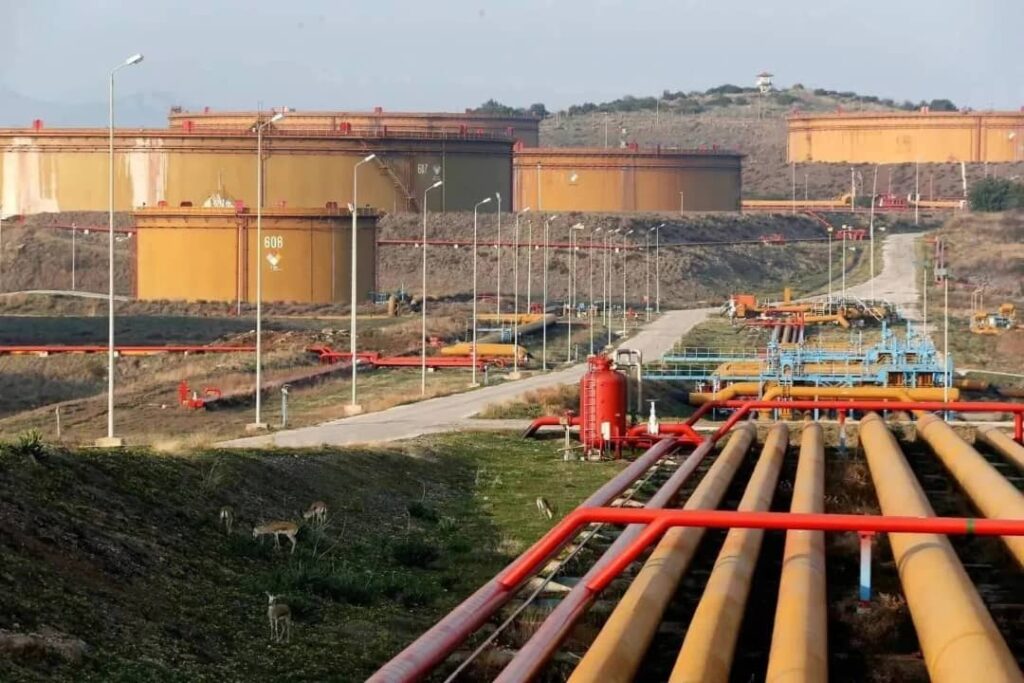
Iraq and Türkiye already share the Kirkuk-Ceyhan pipeline, which transports crude from northern Iraq to Ceyhan. Iraqi authorities are now studying how to rehabilitate and expand this corridor while also considering a new southern link from Basra to complement existing infrastructure.
As maritime exports face delays, Baghdad is also turning to overland routes. Iraq recently reopened the Rabia border crossing with Syria after more than a decade, enabling fuel oil shipments to be trucked across Syrian territory as a temporary alternative.
The country’s state oil marketer, State Oil Marketing Organization, has awarded contracts to move large volumes of fuel oil by road between April and June, even though the method is more expensive and logistically demanding.
Beyond energy logistics, the International Fund for Agricultural Development has warned that disruptions in Hormuz are also affecting the delivery of fertilizers, fuel and other agricultural inputs during a crucial planting season in many regions. IFAD Vice President Gerardine Mukeshimana said the knock-on effects could weaken harvests and push food prices higher, particularly in import-dependent and vulnerable countries.
Meanwhile, financial markets are feeling the strain. Oil prices have climbed on supply fears, feeding inflation concerns that have strengthened the US dollar and weighed on gold prices as investors shift toward currency safety.