India has approved plans to expand its strategic petroleum reserves as the country moves to strengthen its energy security following supply disruptions linked to the recent conflict between the United States and Iran.
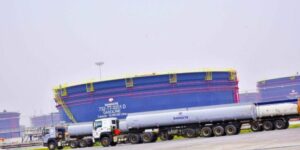
State-owned Oil and Natural Gas Corporation (ONGC) has given preliminary approval to develop a strategic petroleum reserve with a storage capacity of 1.75 million metric tonnes in Mangalore, southern India. The company described the project as being of national importance in a filing to the stock exchange.
The decision comes after restrictions around the Strait of Hormuz disrupted global energy supplies, exposing India’s dependence on imported crude. India is the world’s third-largest importer of oil and the second-largest importer of liquefied petroleum gas.
Petroleum and Natural Gas Minister Hardeep Singh Puri recently said the government is stepping up efforts to increase domestic oil and gas production, backed by a $10 billion investment programme aimed at expanding exploration activities.
Despite these efforts, India’s domestic crude production remains limited. Government data shows the country produced 25.98 million metric tonnes of crude oil during the 2025–2026 fiscal year, meeting only about 10 percent of its total crude oil demand.
To cushion the impact of supply disruptions, India has broadened its crude import sources from 27 to 41 countries. The list includes Iran, Venezuela, Russia and several African producers, helping diversify supplies during recent market volatility.
India’s continued purchases of Russian crude have previously attracted criticism from the United States and European countries, which argue that the trade has provided financial support to Moscow during the war in Ukraine.