Iran has scaled back its oil production as diplomatic efforts intensify between Tehran and Washington over a possible temporary pause in hostilities linked to the ongoing conflict in the Gulf region.
Reports indicate that discussions are underway for a short-term arrangement that would ease tensions between Iran and United States, with a focus on stabilising the Strait of Hormuz, a critical route for global oil shipments.
The proposed framework being explored by mediators involves a phased process. It would begin with a halt to fighting, followed by measures to secure maritime traffic in the Gulf, and then a brief negotiation window to address broader disputes between the two sides.
Officials involved in the mediation efforts, including regional actors, say there is cautious optimism that an agreement could be reached, although no final deal has been confirmed. Iran has also not formally accepted the terms being discussed.
The conflict, which escalated earlier in the year following military exchanges involving the United States and Israel, has disrupted crude exports and added pressure to global energy markets. Former U.S. President Donald Trump has publicly expressed hope that a breakthrough could still be achieved.
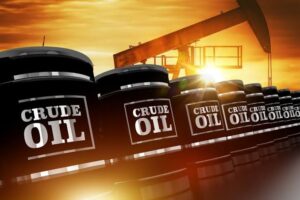
On the economic side, Iran is reportedly facing mounting strain in its oil sector. Production has dropped by about 400,000 barrels per day as storage facilities fill up and exports slow sharply due to restricted shipping activity. Data shows a steep decline in crude shipments from the Gulf region in recent weeks.
With fewer tankers leaving Iranian ports and storage tanks nearing capacity, authorities have been forced to reduce output to manage the backlog of unsold crude.
Oil prices have remained volatile amid the uncertainty, hovering close to the $98–$100 per barrel range as markets react to both supply disruptions and the possibility of a diplomatic breakthrough.
For now, attention remains on whether the ongoing talks will lead to a temporary de-escalation that could ease pressure on both the region and global oil supply chains.