Iran has ruled out reopening the Strait of Hormuz until the United States fulfils seven conditions linked to an interim agreement reached by the two countries in June.
Iranian Parliament Speaker and chief negotiator Mohammad Baqer Qalibaf said Tehran had proposed at the recently concluded United Nations General Assembly that the strategic waterway could resume normal maritime traffic within seven days if Washington met the conditions.
According to Qalibaf, the United States responded to the proposal last week through Qatari mediators. He said Iran was no longer willing to accept prolonged negotiations or demands imposed solely by Washington.
Iranian Foreign Ministry spokesperson Esmaeil Baghaei said Tehran had conveyed its broad response through intermediaries but maintained that the immediate priority was restoring security in the Strait of Hormuz.
Baghaei also rejected reports that Iran had offered to permit inspections of its nuclear facilities by the United Nations nuclear watchdog in return for sanctions relief. He said Iran was not currently engaged in direct negotiations with the United States over its nuclear programme.
An official familiar with the discussions said the proposal included a seven-day confidence-building period designed to revive and strengthen the June agreement. The main disagreement between Washington and Tehran was reportedly over the order in which the proposed measures should be implemented.
Qatar has continued to mediate between the two countries as efforts intensify to end the conflict and reopen the waterway.
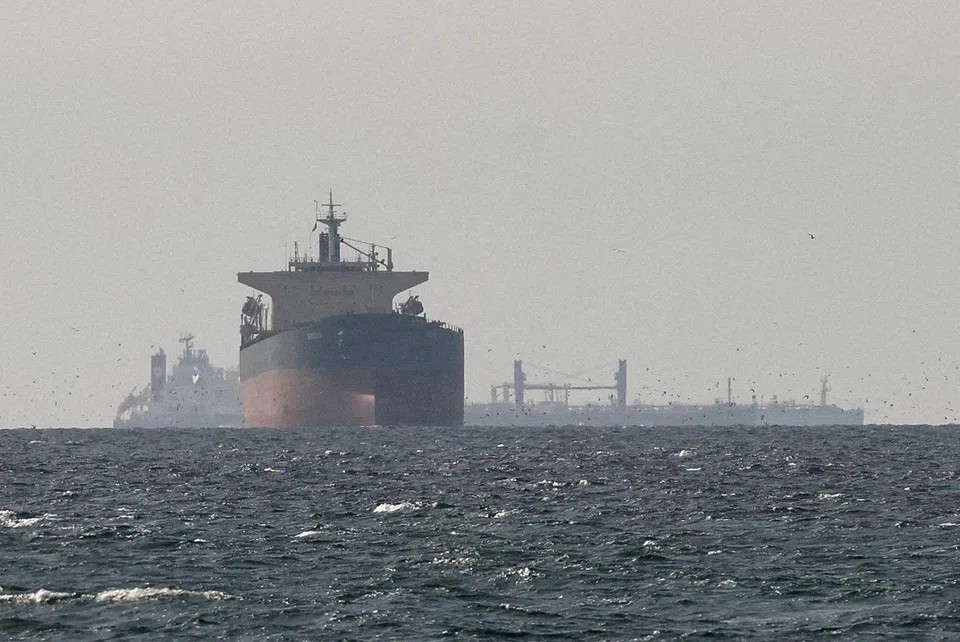
The Strait of Hormuz is a major global energy route linking the Persian Gulf with the Gulf of Oman. Before the conflict began in late February following US and Israeli attacks on Iran, the route carried about one-fifth of global oil and liquefied natural gas supplies.
Iranian Foreign Minister Abbas Araqchi said Tehran hoped the United States would choose diplomacy but warned that Iran was prepared to respond if Washington returned to military action.
He said Iran was better prepared than before to defend itself and would take necessary measures if military confrontation resumed.