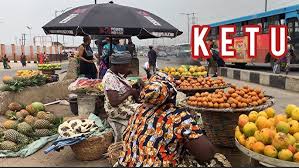
Lagos State is taking a bold step toward sustainable energy by announcing plans to generate electricity from fruit and vegetable waste at the busy Ketu-Ikosi market.
The initiative, unveiled by the Managing Director of the Lagos Waste Management Authority (LAWMA), Dr. Olumuyiwa Gbadegesin, aims to transform heaps of discarded peels, leaves, and leftovers into a reliable power source. Speaking at the annual lecture and awards of the Property & Environment Writers Association of Nigeria (PEWAN) in Ikeja, Gbadegesin said the project would produce up to 29 megawatts of electricity for the market.
According to him, the electricity will primarily serve the market’s loading bay, powered through a biodigester that has long remained underutilised. He noted that the project goes beyond supplying energy—it is about changing how Lagos residents perceive waste.
“We are turning what people throw away into something valuable,” Gbadegesin said, urging traders to sort their refuse so it can be fed into the system. He explained that the biodigester can generate both electricity and cooking gas, giving traders a practical reason to embrace waste segregation.
He acknowledged that behaviour remains the biggest obstacle, as many Lagosians still dispose of refuse indiscriminately on streets and drains. To address this, LAWMA is investing in new infrastructure while also pushing awareness campaigns to help residents recognise the economic potential in waste.
Adding his voice, Dr. Babatunde Ajayi, General Manager of the Lagos State Environmental Protection Agency (LASEPA), stressed that waste management plays a central role in the THEMES+ Agenda, with ripple effects across traffic, health, tourism, and education. He called for stronger political backing and pledged greater transparency, including a public dashboard to monitor services and billing.
Ajayi said media support will be vital in convincing the public to buy into the waste-to-energy initiative, describing the press as a missing link in driving lasting behavioural change.
With Ketu-Ikosi market as the launchpad, Lagos officials hope to show that what was once a nuisance can power a cleaner, greener future for Africa’s biggest city.