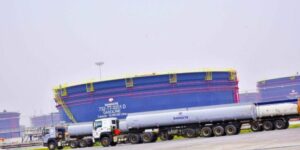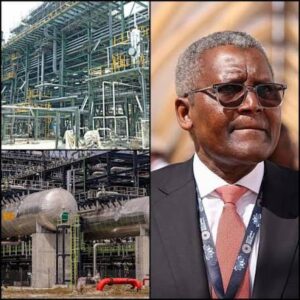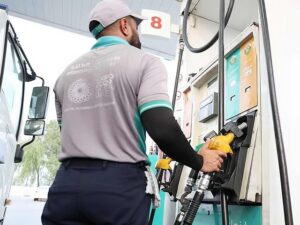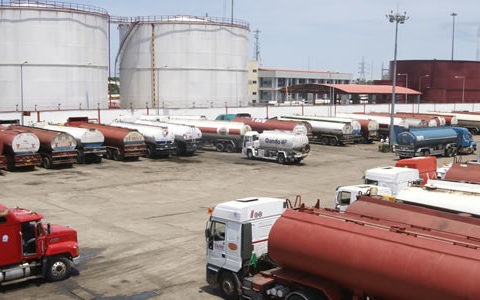
Private oil marketers in Nigeria are now delivering nearly 20 million litres of petrol daily without any government subsidy, marking a major shift in the country’s energy market.
This was revealed on Friday during a high-level meeting between federal government officials and top executives from the downstream petroleum sector at the Ministry of Finance in Abuja.
Speaking on behalf of the marketers, Mr. Abdulkabir Adisa Aliu, CEO of Matrix Energy, said the development is a milestone in Nigeria’s energy transition journey.
“We are proud to say the private sector is now efficiently supplying petrol across the country without relying on public funds,” Aliu said. “It shows the system is working.”
The meeting, called to assess the effects of the subsidy removal, focused on fuel availability, pricing trends, forex issues, and how private investment is driving sector stability.
Mr. Yakubu Maishanu, Chairman of AYM Shafa Ltd, and Alhaji Auwalu Abdullahi Rano, CEO of A.A. Rano, also attended. They noted that the liberalised market has brought in new capital and improved supply chain efficiency.
“The shift to a deregulated pricing model has encouraged investment and increased operational efficiency,” Maishanu said.
The marketers pledged continued cooperation with the government and urged for clearer regulations to attract more investors.
In line with national clean energy goals, the group also revealed plans to boost investments in Compressed Natural Gas (CNG) infrastructure to reduce reliance on petrol.
Minister of Finance, Wale Edun, praised the marketers for their role in maintaining steady supply during the post-subsidy phase.
“Your contributions have been vital in ensuring energy security and easing fiscal burdens,” Edun stated. “This is the kind of partnership needed to build a strong, inclusive energy sector.”
He reaffirmed the government’s commitment to a stable policy environment that supports private-sector-led growth under President Bola Tinubu’s Renewed Hope Agenda.
This meeting is part of ongoing efforts to consolidate energy reforms and position Nigeria’s downstream sector for long-term transformation.