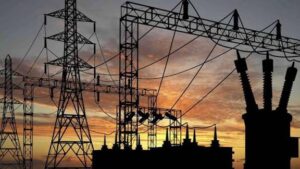
The Netherlands’ rapid embrace of wind and solar energy is straining its national power grid, exposing the challenges of keeping pace with the country’s ambitious clean energy transition.
In recent years, the Dutch government has championed renewable energy adoption, urging citizens to “Flip the Switch” and cut electricity use during peak hours to avoid overloading the grid. The campaign reflects a growing problem: as renewable power capacity expands, the existing grid infrastructure is struggling to handle the surge.
The Netherlands now leads Europe in solar panels per person, with over one-third of homes fitted with them. It also plans for offshore wind farms to become its primary energy source by 2030. Yet this rapid growth has led to frequent grid congestion — where electricity demand or supply exceeds what local networks can handle.
“Grid congestion is like a traffic jam,” explained Eneco CEO Kees-Jan Rameau. “Our power network was built for a few large gas plants, not for thousands of smaller renewable sources scattered across the country.”
The problem has left thousands of homes and businesses unable to connect new equipment or expand operations. Grid operator Tennet says around 8,000 companies are waiting to feed electricity into the network, while 12,000 others are waiting for additional capacity to power their activities.
Experts warn the issue stems from years of underinvestment in transmission and distribution systems. According to Belgian engineer Damien Ernst, solving the crisis will require billions of euros and could take decades. “The installation rate of renewables is far beyond what the grid can currently support,” he said.
The impact is rippling across the economy. Chemical manufacturers have warned that the bottlenecks threaten future investment and production growth. Housing developers are also facing setbacks, with some new neighbourhoods unable to secure power connections.
In response, the Dutch government has launched a National Grid Congestion Action Plan aimed at speeding up permitting processes for grid upgrades. Tennet plans to invest about €200 billion to strengthen the network by 2050, including the installation of 100,000 kilometres of new cables.
However, the expansion process remains slow. Officials say that major grid projects take around 10 years to complete — most of which is spent on permits and land acquisition rather than construction.
To ease pressure in the meantime, energy firms are using smart systems to balance the grid, temporarily shutting down wind turbines or solar panels during surplus generation and rewarding consumers who allow temporary power reductions at peak times.
Still, experts agree that technological solutions alone won’t fix the underlying issue. “We focused on building renewables but underestimated the infrastructure needed to carry all that power,” Rameau said.
With the energy transition accelerating, the Netherlands faces a crucial test: reinforcing its grid fast enough to keep the lights on in one of Europe’s greenest — and now most power-constrained — economies.