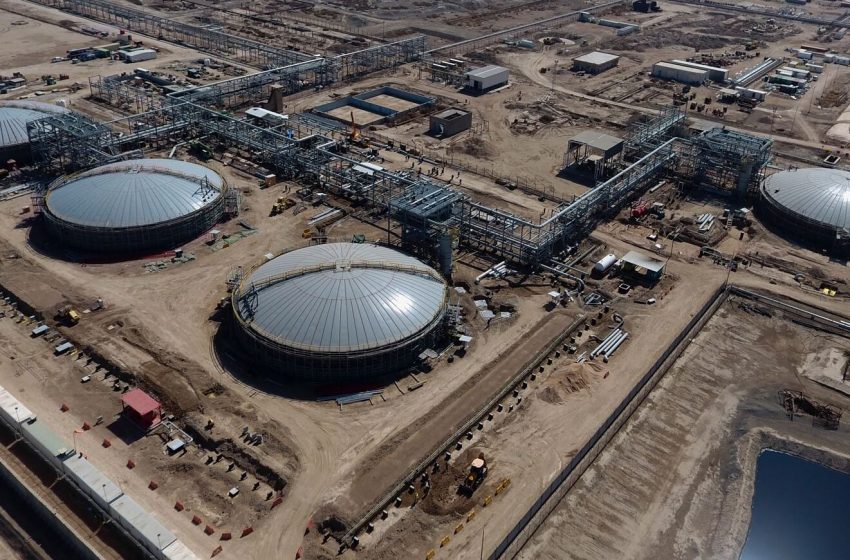
Africa is set to record a gross natural gas production of 331 billion cubic meters (bcm) by the end of 2025, largely driven by Nigeria, Algeria, and Egypt, according to the African Energy Chamber (AEC).
NJ Ayuk, Executive Chairman of the AEC, highlighted the significance of gas in Africa’s energy landscape in an opinion piece titled “Natural Gas and Liquefied Natural Gas (LNG): Building a Bridge to African Energy Security and Prosperity.” He noted that natural gas already contributes to 40% of electricity generation across the continent, with North African countries accounting for nearly a third of that output.
The report predicts that gas-fired capacity could expand by over 77 gigawatts by 2050, maintaining its current share of the continent’s energy mix. Ayuk emphasized the role of gas as a transitional fuel, complementing the growth of solar and wind energy while supporting power supply during periods of low renewable output.
Several African countries are prioritizing gas in their energy strategies. Nigeria has made gas-to-power a central focus of its national plan, while South Africa plans to rely on gas as it phases out coal. Senegal aims for 3 GW of gas-powered electricity by 2050, with Ghana and Tanzania pursuing similar initiatives.
Despite potential hurdles such as infrastructure gaps, dependency on imports, and environmental concerns, Ayuk expressed confidence that targeted investment and regional power grid collaborations could overcome these challenges.
The AEC’s 2026 State of African Energy Outlook report underscores a shift in many gas-producing nations from exporting the fuel to developing domestic gas markets, a move seen as crucial for long-term economic growth and energy independence. Ayuk argued that leveraging natural gas could position African countries to achieve the same energy self-reliance that now-developed nations attained in the past.