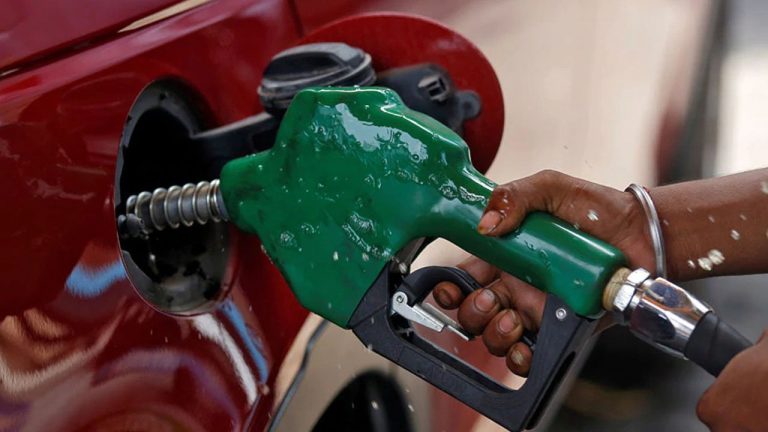
That’s according to the Major Energies Marketers Association of Nigeria’s half-year downstream report, released Tuesday, which found pump prices climbed 39.5 percent between January and June, a bigger jump than any other African market tracked, including Egypt, where prices rose just 14.3 percent over the same stretch.
The trigger, MEMAN said, was the outbreak of conflict involving Israel, Iran and the United States on February 28, which sent shockwaves through global oil markets and pushed crude benchmarks above $100 a barrel. The disruption also choked shipping through the Strait of Hormuz, forcing tankers onto the much longer route around the Cape of Good Hope and stretching typical 18-day voyages to nearly 40 days.
Because Nigeria’s petrol market now operates without subsidies, the report said, that global shock reached Nigerian pumps almost immediately, making the country more exposed to the price spike than its regional peers.
Yet the same period also brought a major structural shift, as domestically refined fuel edged out imports faster than expected. The report credited the Dangote Petroleum Refinery’s continued ramp-up for driving that change, noting that local refining’s share of Nigeria’s petrol supply jumped from 38.9 percent in 2025 to 81.7 percent during the review period. Local plants also covered about 64 percent of diesel demand, while domestic gas processors supplied roughly 90.5 percent of the cooking gas market.
Even so, MEMAN cautioned that homegrown refining hasn’t fully replaced the need for imports. Between February and April, domestic output fell short of national demand, pushing regulators to approve emergency import licenses to head off shortages, a stopgap measure the association said helped stabilize supply during the worst of the crisis.
The turmoil also hit Nigeria’s fuel reserves hard. As replacement costs soared, marketers pulled back on inventory, favoring smaller stockpiles over expensive holdings. That pushed the country’s petrol stock levels down from 33 days’ worth of supply in January to just 16 days by May, well under the 30-day safety threshold regulators typically require, before edging back up to about 20 days in June as import volumes flowed back into the system.
MEMAN pointed to that steep drawdown as evidence that Nigeria needs its own strategic reserve system, one that could cushion the downstream sector and consumers against future international supply shocks, including a dedicated reserve of crude feedstock for domestic refineries.
Higher prices also changed consumer behavior. The report found that daily petrol consumption fell 22.3 percent and diesel consumption dropped 17.5 percent as the sustained price pressure squeezed demand.
Looking at the broader picture, MEMAN said the crisis underscored how thoroughly Nigeria’s downstream sector has shifted toward global market forces since subsidies were removed. Shipping companies, the report noted, increasingly rerouted crude and fuel cargoes toward the U.S. Gulf Coast and West Africa as the Gulf’s usual export routes became unreliable, reinforcing the growing importance of Atlantic Basin suppliers during global disruptions.
The association added that despite the pain of the first half of the year, the growth of local refining capacity marks real progress, though it maintained that continued regulatory oversight will be necessary to keep the market competitive and protect consumers as reforms continue.