Nigeria’s ambition to increase crude oil production to 3 million barrels per day by 2030 is under pressure, as industry players warn that policy delays and operational bottlenecks could slow progress if not urgently addressed.
The Petroleum Technology Association of Nigeria (Petroleum Technology Association of Nigeria) says the country needs immediate reforms to unlock investment and speed up project execution across the oil and gas value chain.
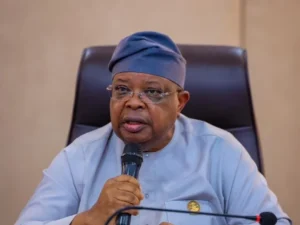
Speaking at the Offshore Technology Conference in Houston, PETAN Chairman Wole Ogunsanya said the sector is operating under conditions that require urgent government attention, especially in areas affecting equipment importation and project delivery.
Ogunsanya stressed that high import duties on specialised oil and gas equipment are increasing project costs and discouraging investment. He urged authorities to consider waivers or targeted tax relief, noting that similar incentives already exist in sectors such as agriculture and healthcare.
He argued that easing these costs would ultimately benefit government revenue in the long term by boosting production levels, creating jobs, and attracting fresh capital into upstream projects.
Industry stakeholders also pointed to delays in customs clearance and port processes as additional challenges, although PETAN noted that clearance timelines have improved in recent months.
Nigeria currently produces about 1.5 million barrels of crude oil per day, excluding condensates. The government is targeting 2 million barrels per day in the near term, with a longer-term goal of reaching 3 million barrels per day by 2030.
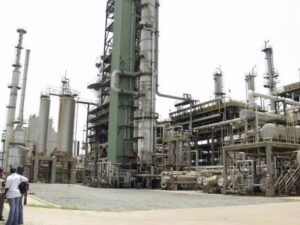
PETAN warned that achieving these targets will require significant investment in infrastructure, equipment, and gas development, alongside stronger fiscal incentives to attract both local and international investors.
Ogunsanya also highlighted growing participation by indigenous firms in major oil and gas projects, including offshore and gas developments such as Bonga and Ubeta. He said Nigerian companies are increasingly competitive, delivering services at global standards and often at lower costs.
He added that PETAN members are already involved in projects operated by international oil companies and are targeting a greater share of industry contracts, with an ambition of securing up to 25–30% of major project value.
Beyond Nigeria, PETAN called for stronger African cooperation in energy development, arguing that the continent must work together to harness its vast oil and gas reserves.
Ogunsanya said Africa’s energy future depends on building local capacity, improving financing structures such as the planned African Energy Bank, and reducing reliance on external technical expertise.
He also stressed that energy access remains central to economic growth and development across the continent, urging countries to prioritise policies that support long-term energy security.
While PETAN acknowledges recent improvements in the oil sector, it maintains that urgent policy action particularly on tax relief, equipment importation, and investment incentives will be critical if Nigeria is to meet its production goals within the next decade.