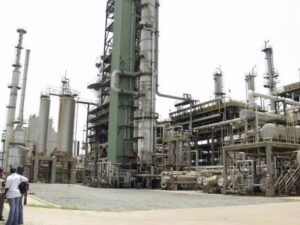
Nigeria’s upstream oil and gas industry is facing a growing threat that could slow its future growth if urgent steps are not taken to address a shortage of skilled professionals.
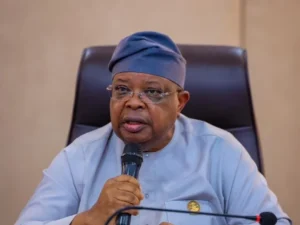
The warning was raised by the Chief Executive of the Nigerian Upstream Petroleum Regulatory Commission (NUPRC), Oritsemeyewa Eyesan, who said the sector’s long-term stability now depends heavily on the availability of competent technical manpower rather than just crude oil reserves.
She made the remarks during a meeting with the Independent Petroleum Producers Group (IPPG), noting that the gradual withdrawal of international oil companies has shifted more operational responsibility to indigenous firms.
According to her, while local operators are now taking a leading role in upstream activities, many still lack enough trained engineers, geoscientists, and other technical experts required to manage complex oil operations efficiently.
Eyesan warned that if the skills gap is not urgently addressed through deliberate investment in training and capacity building, it could weaken production efficiency, slow industry growth, and reduce investor confidence in Nigeria’s energy sector.
She also stressed that global investors do not evaluate companies in isolation but assess Nigeria as a single investment destination, meaning poor standards across the sector could damage the country’s reputation.
The NUPRC boss urged indigenous producers under the IPPG to strengthen corporate governance, enforce discipline within the industry, and prioritise human capital development to meet global expectations.
She further emphasised the importance of full compliance with the Petroleum Industry Act, saying strong regulatory alignment is key to sustaining investor trust and long-term sector stability.
Eyesan also highlighted ongoing reforms within the commission, including the transition to a fully paperless system aimed at improving efficiency, transparency, and service delivery in regulatory processes.
Responding, IPPG Chairman Adegbite Falade commended the leadership of the commission, saying indigenous operators have begun to see positive changes in the regulatory environment.
He assured that local producers remain committed to supporting Nigeria’s energy development goals and working closely with regulators to strengthen the industry.
Nigeria’s oil and gas sector is currently undergoing a major transition as international oil companies divest from onshore and shallow-water assets, leaving indigenous firms to take on a larger share of production responsibilities. While this shift is seen as an opportunity for local participation, experts warn that the growing skills gap could become a major constraint if not urgently addressed.