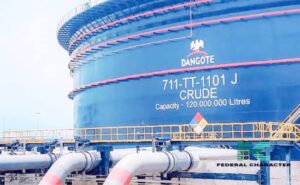
Petrol prices in Nigeria have increased as the Dangote Refinery struggles with the high cost of crude oil sourced from international markets.
Although the refinery began operations in 2024 and was expected to reduce Nigeria’s reliance on imported fuel, it is now facing challenges securing enough crude from local producers. Under the Petroleum Industry Act, domestic suppliers are meant to provide crude to the refinery, but the volumes delivered have reportedly fallen short of what was agreed.
As a result, the refinery has turned to foreign traders to meet its crude needs. These imports come with added costs such as freight charges, insurance, and international market premiums. The rising global oil prices linked to tensions in the Middle East have further pushed up these costs.
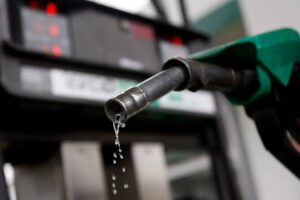
This situation has increased the refinery’s production expenses, and the effect is being felt at fuel stations across the country. Reports show that Nigerians are paying significantly more for petrol compared to previous months.
Earlier in the year, the refinery was supplying more than half of Nigeria’s petrol demand, reducing the role of fuel importers. However, the current pressure from global crude prices and limited local supply has weakened that advantage.
Despite processing record volumes of crude in early 2026, the refinery’s dependence on imported crude has made it difficult to keep petrol prices stable. The development shows that local refining capacity alone may not fully protect consumers from international oil market shocks when crude supply is still tied to global pricing.