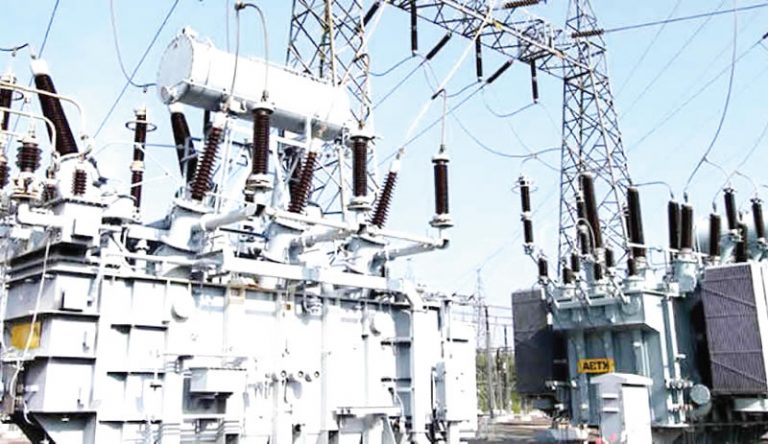
Electricity generation in Nigeria rose sharply in the first quarter of 2025, thanks to stronger performance from thermal and hydroelectric power stations across the country.
New data from the Nigerian Electricity Regulatory Commission (NERC) shows that national power output increased by almost 11% compared to the previous quarter. In total, 10,304.47 gigawatt-hours (GWh) of electricity were generated between January and March — a significant rise from 9,289.95 GWh recorded in Q4 2024.
Hourly generation also saw a jump, growing by over 13% to an average of 4,770.59 megawatt-hours per hour (MWh/h). This improvement was largely fueled by better availability and performance from grid-connected plants.
NERC noted that 19 power stations increased their supply during the quarter. Thermal plants led the way — 16 of the 23 connected to the grid delivered more power than they did the previous quarter. Delta_1 recorded the biggest jump in output, followed by Geregu_2, Egbin_1, and Afam_2.
Hydropower stations also contributed to the overall growth, with Zungeru_1 showing the most progress among them. Other stations like Shiroro and Kainji made smaller but steady gains.
This rise in generation reflects ongoing efforts to improve grid stability through better management, maintenance, and coordination. However, the sector still faces obstacles such as fuel supply issues, aging infrastructure, and high operating costs that affect how much power can be delivered consistently.