Nigeria LNG Limited has pulled in more than $150bn in revenue and shipped over 6,000 cargoes of liquefied natural gas worldwide since it began operations, underscoring its role as one of the biggest engines behind the country’s push to cash in on its gas wealth.
Alongside that revenue figure, the company says it has handed shareholders over $47.2bn in dividends, paid more than $10bn in taxes to the Federal Government, and built up an asset base worth roughly $23bn, numbers that place it among Nigeria’s heaviest-hitting corporate contributors to state coffers.
Managing Director Adeleye Falade shared these figures on Tuesday in Lagos, in his first press briefing since taking the top job in April. He also used the session to outline what’s next for the company, including the near-complete Train 7 project and early talks around three more trains, as NLNG works to grow Nigeria’s share of the global LNG trade.
Walking reporters through 37 years of operations, Falade positioned NLNG as one of the world’s major LNG exporters. He also cleared up a common misconception: the company doesn’t actually produce gas itself. Instead, it buys gas from upstream producers, strips out impurities, liquefies it, ships it out on specialised vessels, and sells it to buyers across Europe, Asia, and the Middle East.
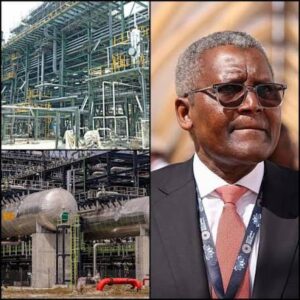
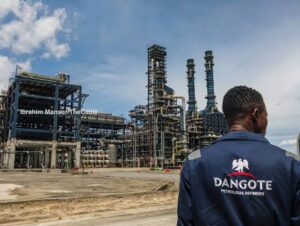
NLNG currently runs six liquefaction trains capable of producing 22 million tonnes a year out of its Bonny Island plant, which Falade described as the largest industrial complex anywhere in Sub-Saharan Africa. Backing that up is a fleet of 22 vessels, mostly LNG carriers, plus a dedicated cooking gas vessel serving the domestic market.
On ownership, Falade noted the Federal Government holds the largest stake at 49 percent, with Shell, TotalEnergies, and Eni splitting the rest. He also pointed out that NLNG has ranked as Nigeria’s most tax-compliant corporate entity for five straight years, adding that a large share of its gas purchase payments cycle back to government coffers anyway, given the state’s equity stakes in upstream gas producers.
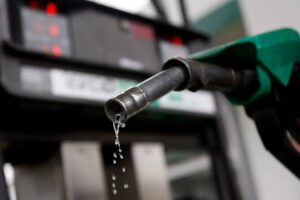
Domestically, the company supplied a record 500,000 tonnes of cooking gas last year, its highest volume ever and about a third of what Nigeria currently needs. That’s a massive jump from the roughly 70,000 tonnes it supplied when local distribution began back in 2005. Since 2022, NLNG has stopped exporting cooking gas altogether, funnelling all of it into the domestic market instead, a decision Falade linked to a Punch report on the health toll firewood cooking takes on Nigerian women.
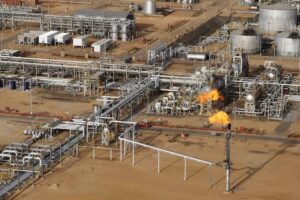
Gas flaring has also dropped sharply on NLNG’s watch, from around 65 percent of associated gas at the company’s founding down to under 20 percent today, largely because NLNG gave that gas a commercial home instead of letting it burn off.
Even so, Falade argued Nigeria is still punching well below its weight as a gas nation. With roughly 209 trillion cubic feet of proven reserves and possibly 600 trillion more still unconfirmed, he said the country trails far behind smaller gas producers like Australia and Malaysia in terms of actual export capacity.
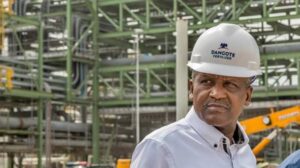
That’s where Train 7 comes in. Once finished, it will lift NLNG’s output by 35 percent, from 22 million to 30 million tonnes annually, while boosting cooking gas production by half. The project currently employs about 16,000 workers a day, and NLNG is already in early discussions about Trains 8, 9, and 10 to keep pace globally.
NLNG’s General Manager for External Relations, Sophia Horsfall, said the briefing was meant to give journalists direct access to accurate context on the company’s operations, and to help the public better understand the scale of NLNG’s role in Nigeria’s economy.