The Nigerian Midstream and Downstream Petroleum Regulatory Authority is proposing new rules aimed at preventing monopoly, price fixing and other anti-competitive practices in Nigeria’s midstream and downstream oil sector.
The proposed 2026 regulations would set new requirements for how petroleum companies compete, access critical infrastructure and share commercial information.
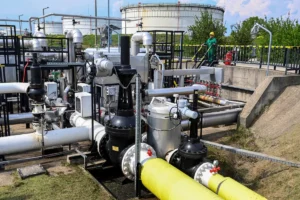
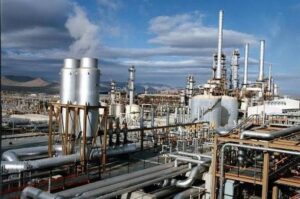
The rules cover activities involving pipelines, terminals, storage facilities, depots and other essential petroleum infrastructure. Companies would also face restrictions on practices such as market sharing, coordinated pricing, bid rigging and abuse of dominant market positions.
Under the proposed framework, petroleum companies would not be allowed to coordinate pump prices, ex-depot prices, discounts, margins, freight charges, supply volumes or customer territories.
The draft also seeks to address less formal forms of coordination, meaning companies could face regulatory action where anti-competitive behaviour occurs without a written agreement.
NMDPRA Chief Executive, Rabiu Umar, said the proposed regulations are intended to promote transparency, fair competition and efficiency while protecting both investors and consumers.
The Authority first released the draft for public consultation on August 6, 2026, giving industry operators and other stakeholders 21 days to submit their views.
The consultation is required under the Petroleum Industry Act 2021, which mandates the Authority to engage stakeholders before finalising its regulations.
The proposed rules contain 138 regulations across 23 parts and extend beyond price fixing to areas including infrastructure access, dominant companies, mergers, vertical integration, digital markets, enforcement and penalties.
The framework would also require owners and operators of essential facilities, including pipelines, storage terminals, jetties, depots and bulk-loading facilities, to provide qualified third parties with fair and non-discriminatory access.
Operators would be expected to make their tariffs, fees and general service conditions available, while hidden charges and undisclosed preferential arrangements would be prohibited.
The proposed regulations would also scrutinise certain commercial agreements, including exclusive supply contracts, long-term arrangements, take-or-pay agreements, loyalty rebates and minimum-volume commitments where they could significantly restrict competition.
However, some industry stakeholders have raised concerns about the proposed approach to long-term contracts. They argued that short-term arrangements may not provide enough certainty for investors operating in a capital-intensive industry where projects often require years to recover their costs.
The regulations would also give the NMDPRA a role in reviewing mergers, acquisitions, changes in ownership and major joint ventures where they could affect competition in the petroleum market.
Another area covered by the draft is the growing use of digital platforms, data and algorithm-based pricing. The rules seek to address the use of commercially sensitive information and data in ways that could distort competition.
The proposed framework comes amid concerns over pricing practices in Nigeria’s downstream market, including allegations by independent marketers that some fuel importers had been selling imported Premium Motor Spirit at coordinated prices.
NMDPRA is also working with the Federal Competition and Consumer Protection Commission to strengthen competition oversight in the petroleum sector.
The two agencies signed a memorandum of understanding in September to improve information sharing, market intelligence and coordinated enforcement.
If approved, the regulations would introduce a more detailed competition framework for Nigeria’s midstream and downstream petroleum industry, with companies expected to consider competition rules in areas ranging from pricing and infrastructure access to commercial agreements and corporate transactions.